The People Who Made Us
This Hispanic Heritage Month, three CFI team members share personal reflections on the families, communities and cultures that shaped their lives and helped build Colorado.
 EN
EN
By William Ashford
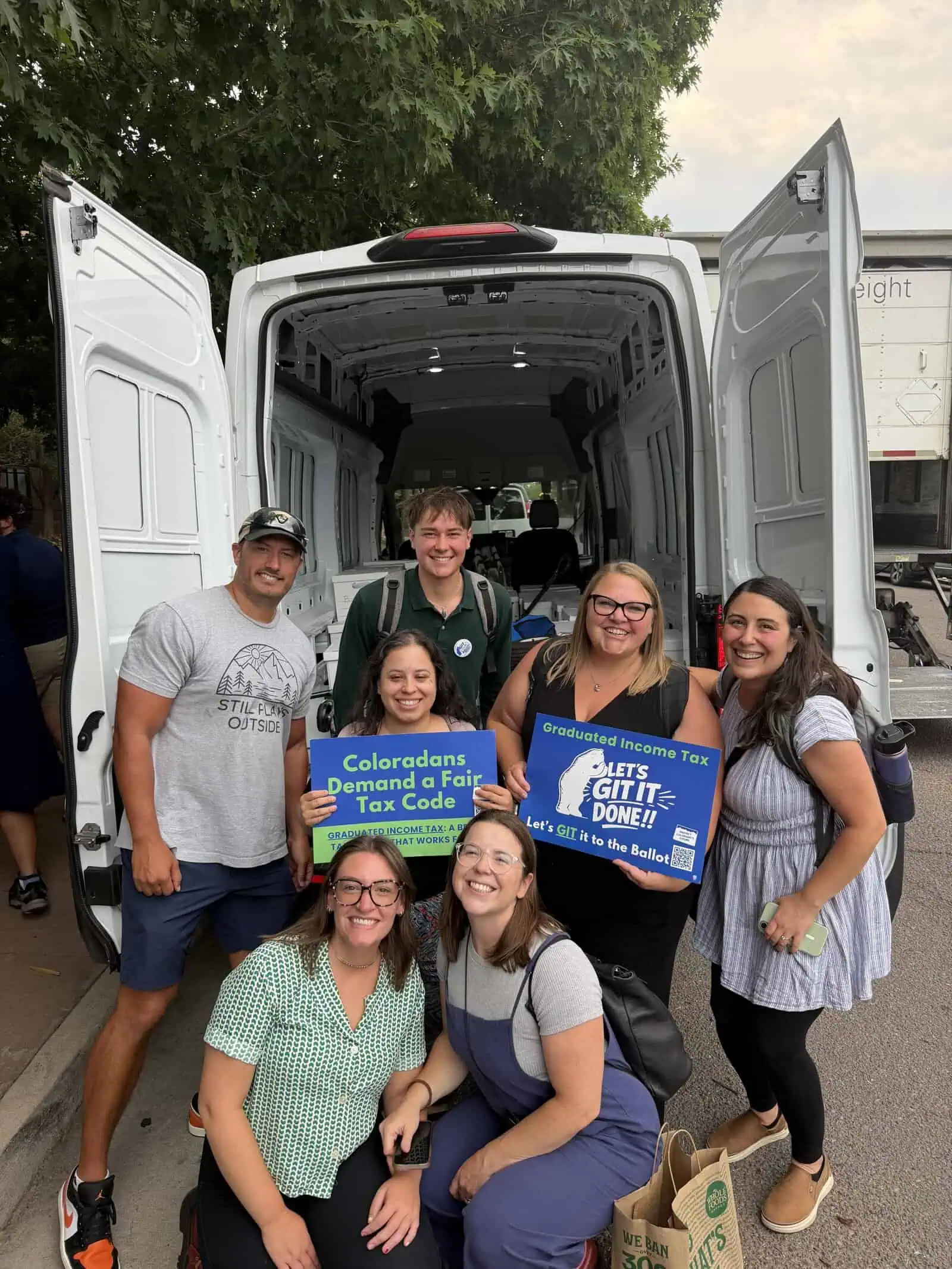
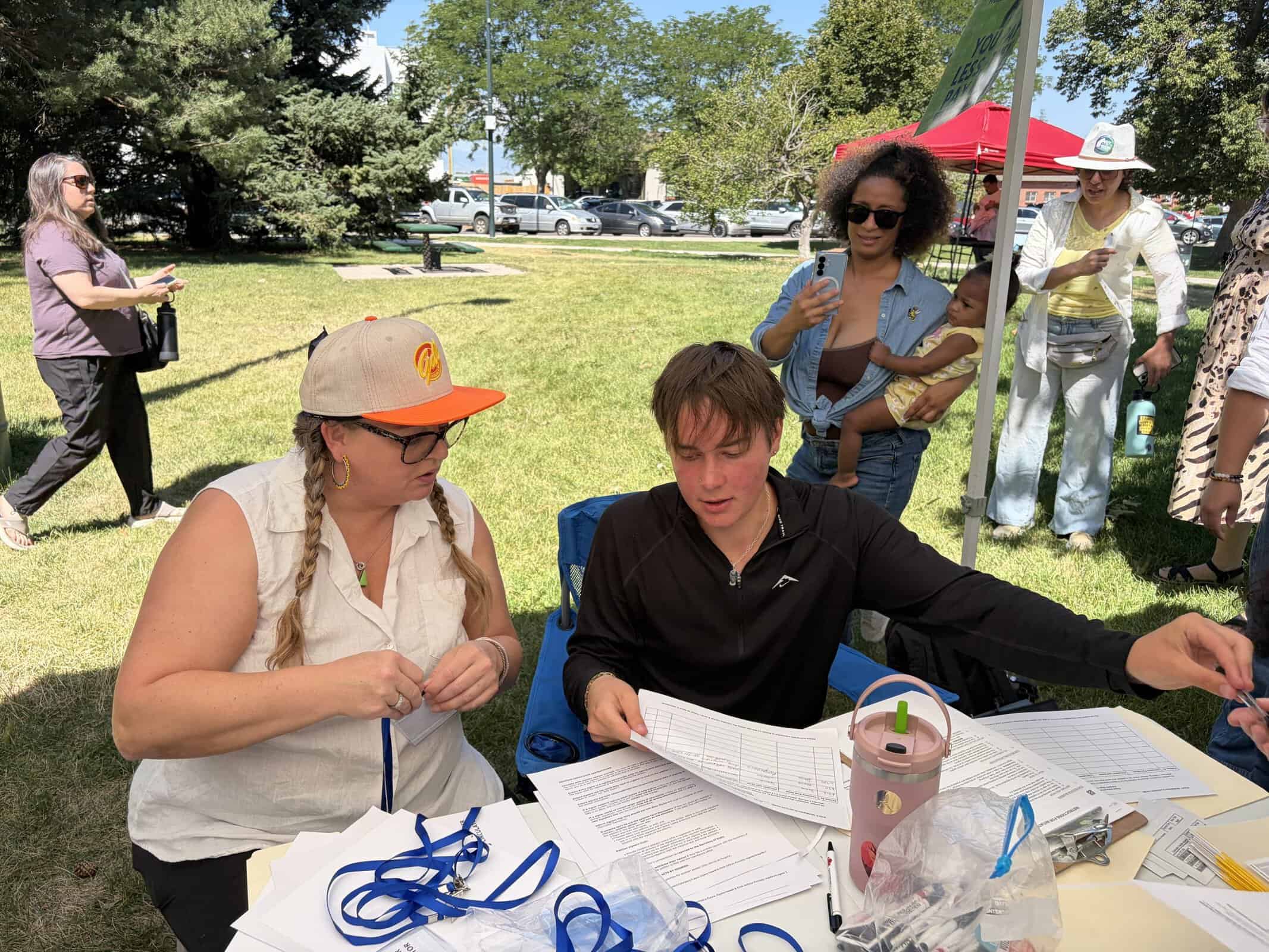
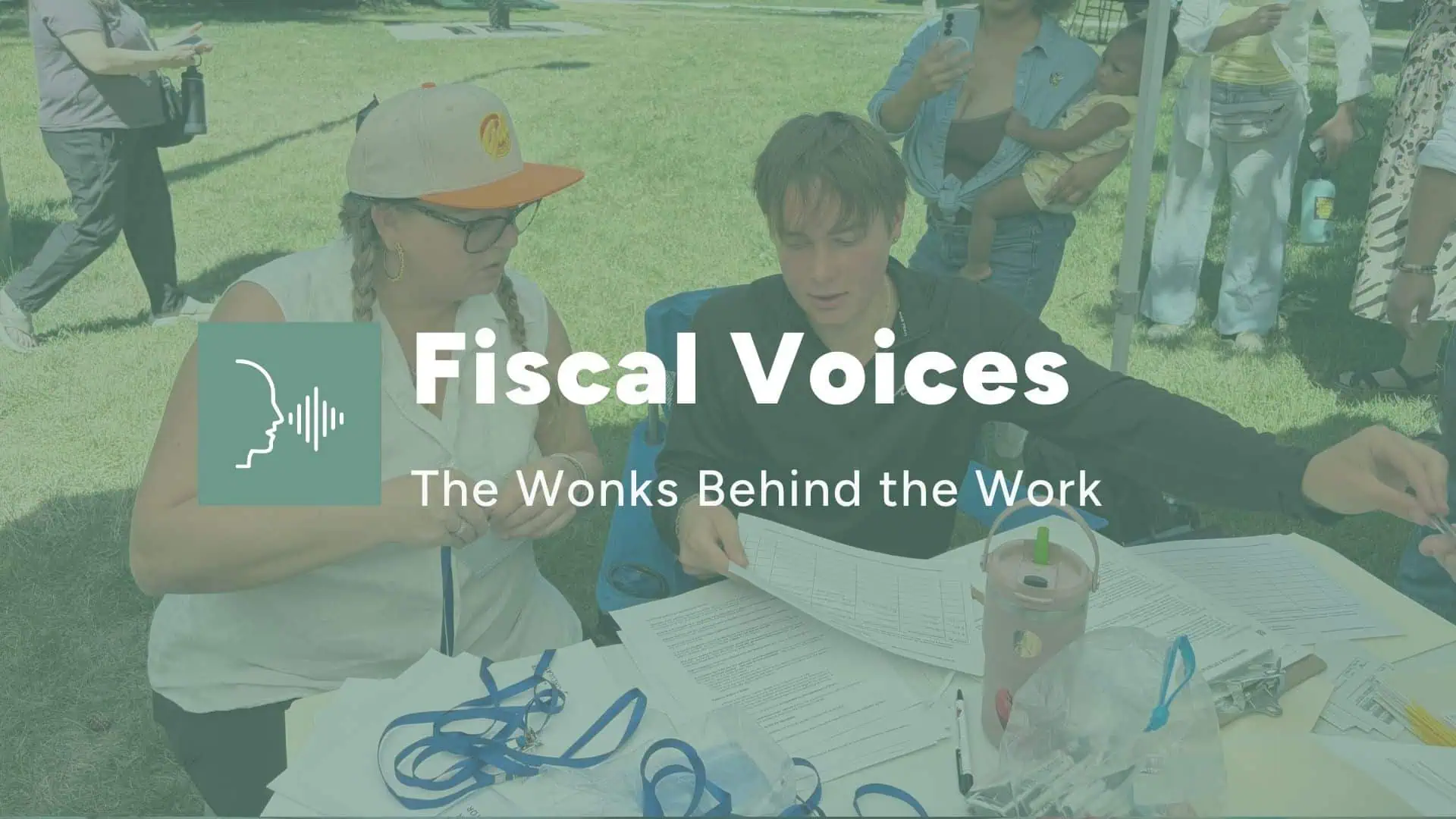
PCF, aka Protect Colorado’s Future, the coalition behind Initiative 195, was the first of dozens of acronyms I was tasked with learning on my first day as a public interest fellow for the Colorado Fiscal Institute (CFI). That day, I threw myself headfirst into the esoteric and wonky nature of the institute’s progressive fiscal policy work. Over the past two months, between infamously old PB&J lunches, my fellowship undertakings have been all-encompassing. From networking at donor meetings and grant writing and research, to budget presentations with community partners, to economic policy research dissecting the not-quite-myth but statistically insignificant concern of “wealth flight” in high-tax states, I have learned a tremendous amount. These experiences have been incredibly enriching and have expanded my professional capacity greatly, but my work as a signature gatherer for the PCF coalition has been the most unique.
On the second-to-last weekend of the PCF campaign, I found myself driving to Fort Morgan to gather signatures at a union demonstration held by Teamsters Local 455. Members had been locked out of work since May 20 after contract negotiations between Cargill Meat Solutions, a local meatpacking plant, and the union broke down. After checking in at the union’s office, I grabbed a “Cargill Teamsters Locked Out” sign and began my usual PCF pitch with the meatpackers who had gathered in the shade.
“I am gathering signatures to put a graduated income tax on the general election ballot this November. As you probably know, Colorado taxes individual and corporate taxable income at a flat 4.4% rate. Our proposal would implement income tax brackets so that those who make less pay less in tax and those who make more pay more. The public revenue from the tax increase on the state’s highest earners would go to health care, child care, and public education.”
I spoke to folks in English, Spanish, Portuguese (admittedly closer to Portuñol), Haitian Creole, and Amharic by asking friends to translate to groups and by awkwardly employing a voice-to-text app on my phone. These conversations were imperative to my understanding of what Coloradans really want from their state. Across linguistic boundaries, cultural differences, and varying political understandings, one message was clear: The petition I carried was a fair and just piece of government reform.
Above the noise of partisan rhetoric, most Coloradans can find political common ground. As a state, we can agree that it is not fair that Colorado households earning less than $27,600 a year pay a greater share of their income in state and local taxes than our state’s richest 1%. We agree that it is not fair that Washington can reduce our state’s revenue by an estimated $1.2 billion in one fell swoop, forcing state lawmakers to curtail and cap health care programs that serve the very constituents they represent.
The Protect Colorado’s Future campaign, above all, is about representing that shared understanding. It does so by enshrining justice and dignity into our tax law. It is about reconfiguring our fiscal policies so that the corporations and individuals that benefit most from our capable workforce, abundant natural resources, and unwavering democracy are the ones that reinvest in our most underfunded public services. Importantly, its fight to do so is not an isolated one.
The growing support for fiscally and socially progressive policies, not to be confused with the farce of “socially liberal, fiscally conservative,” reflects that Coloradans are frustrated with regressive, outdated tax law and belligerent federal overreach. Initiative 195 is the culmination of such exasperation.
I would like to formally thank the entire Colorado Fiscal Institute team for offering me such a unique, enriching, and impactful opportunity. These last months have revolutionized how I see myself as a professional and as a civic leader. I hope to continue my work fighting for progressive change at all levels in Colorado beyond this fellowship.