In celebration of Hispanic Heritage Month, CFI team members share personal stories about family, identity, opportunity and belonging in Colorado.
Each year, Hispanic Heritage Month gives us an opportunity to celebrate the histories, cultures and contributions of Hispanic communities in Colorado and across the country.
Hispanic Coloradans have helped build our state’s economy, strengthen our communities and shape the Colorado we know today. They are workers, business owners, caregivers, educators, advocates and community leaders — and they are often at the forefront of the fight for public policies that give every Coloradan the opportunity to thrive.
But there is no single Hispanic experience. Our communities span countries, cultures, races, generations and histories. So this year, we asked CFI board and team members to share their personal reflections on the people, experiences and communities that shaped who they are.
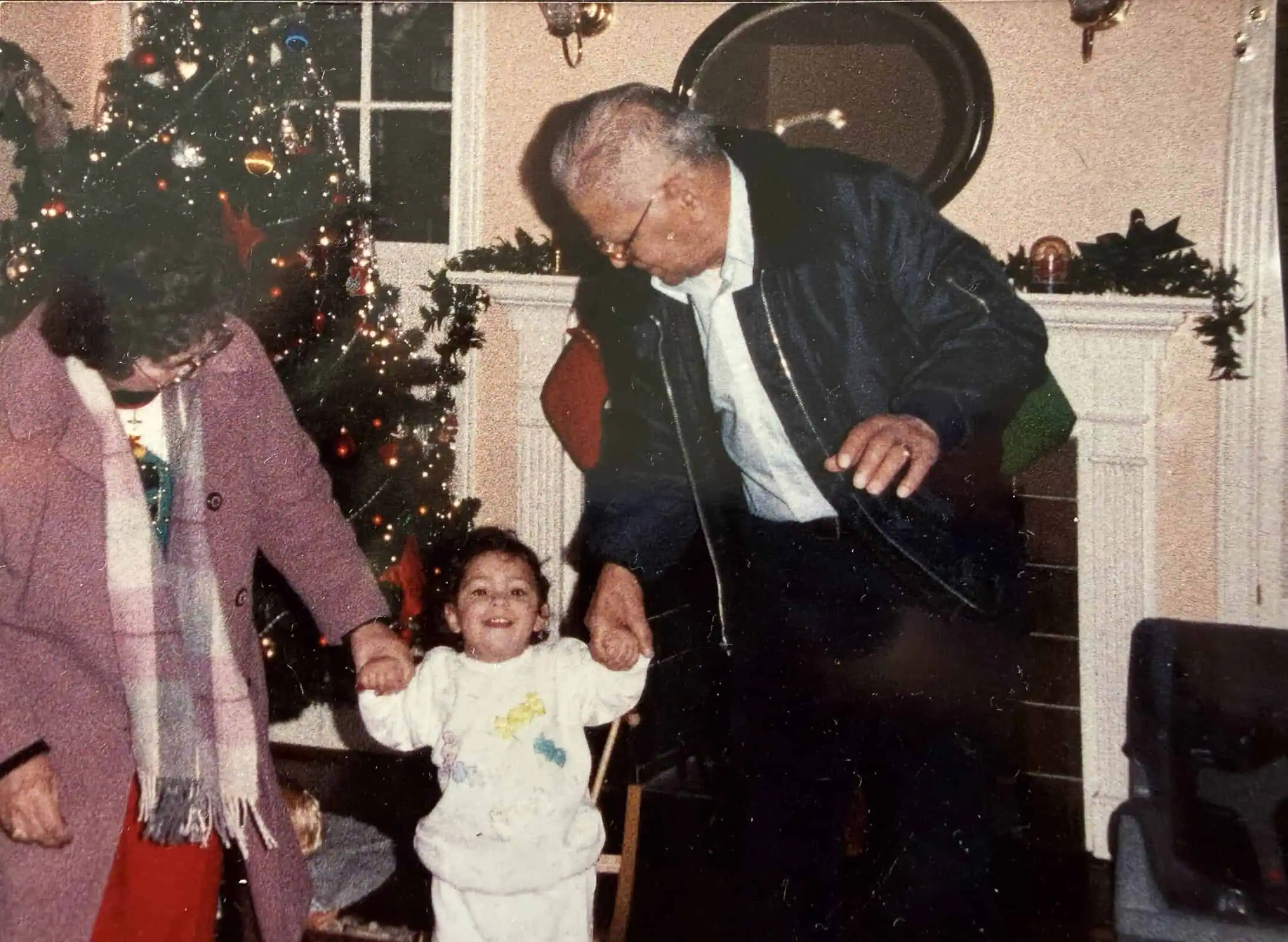
As I sat and reflected on the prompt our communications manager shared with us to write about for Hispanic Heritage Month, I took a breath and really sat with the question: Who are the people in my life whose hard work, sacrifice and care created opportunities for me and the next generation? Of course my immediate answer is always my parents. Central American immigrants who came to this country with very little and worked day and night as house cleaners, janitors, construction workers, food service workers, caterers and home health aides to make a life for themselves and their children. Two people who have invested all into their family and community in Aurora for the “American dream.” Yes, I will always honor the hard work and dedication of my parents; it’s made me who I am today.
But this month, I also have to honor the circle of Latina women whose work — the seen and unseen, the paid and unpaid — has poured into my life and the lives of countless other women. The church grandmas who have been everyone’s child care providers and caretakers, the ones who prayed over me, took care of me, shared their wisdom with me. The high school and college advisers whose dedication to academic achievement, especially for first-generation college students, guided me through my studies. The Latina sorority I joined in college and the sorority sisters, who just like me, were looking for a community of women to face the scary world of a private institution with — the late-night study sessions, the sharing of pricey textbooks and snacks to get us through each academic quarter. My first Chicana supervisor who taught me how to work in a professional setting and to grow and to bring other women along with me. The circle of Latina leaders who surround me now, who don’t let me quit when things are too heavy. All of these women have shaped me, molded me, helped me to push on ahead. Because that’s what Latina women do — they’re weavers, sustainers, caretakers, workers, mothers, advisers, mentors — they’re the reason I’m here today. I’m now a weaver, connecting with and pouring into the next generation of Latina women from the well that countless Latinas have poured into me.
As a fourth-generation Latine/Mexican American who is also white, my experiences have looked different and frankly more privileged than that of someone whose parents had to navigate our broken immigration system and whose appearance is always unmistakably brown. I sit in a nuanced, sometimes awkward place. My grandparents and subsequent generations gained citizenship just by being born in the U.S. My Latine family is not often perceived and therefore targeted as immigrants of color.
Being half Latine and half white brings privilege and a sense of loss — my family is further removed from our Mexican culture than my first- or second-generation friends partially because of generations of pressure to fit the mold of what whiteness means. My great-grandparents moved to Texas from Jalisco in search of a better life in a time when the government was beckoning people and laborers instead of just demonizing them. My great-grandfather owned a grocery store and helped feed people in his community when they couldn’t afford it. The Great Depression came, and my great-grandmother died of surgical complications, unable to access safe medical care, and some years later, my great-grandfather died, leaving my grandmother to drop out of middle school and care for her siblings. She married my grandfather when he came back from World War II, and upon trying to purchase their first home, they were told, like many other people of color, to look elsewhere.
They spoke Spanish more with their first children, but less with the younger ones, also discouraging them from spending too much time in the sun because of how they would be perceived. Their home was loving but tumultuous, so each child moved out quickly upon adulthood, seeking careers and partners with privilege that offered future security. I hung on to the words my grandmother would speak in Spanish and learned formal Spanish in school, practicing it abroad and at work, but it will never be second nature. My family makes tamales and rice together, yearning for connection to that part of our culture.
I grew up not having to worry about affording things, accessing health care, having citizenship — not that all Latine people are poor and uninsured — but systemic forces like the U.S.’ demonization of immigrants and discrimination denying housing, schooling and access to health care have made it so that’s more likely.
I hold on to what I can and I have Latinas to thank for a lot, from my grandmother watching me as a child, speaking to me in Spanish, teaching us how to make tamales; to my mom playing Linda Ronstadt’s Canciones de Mi Padre (a reference that none of my first- or second-generation Latine friends get); to my generous aunt offering me anything of hers that I compliment; to my sister inspiring me to travel to Spanish-speaking countries; to my ethnic studies professors teaching me real U.S. history; to patient, incredible supervisors working for reproductive rights in Guanajuato, Mexico; to the supportive, firm supervisor who pushed me and sang my praises, helping me get a great job; and finally, to the supervisor who took a chance on me by bringing me into CFI, teaching me the ins and outs. Between my family, friends, colleagues and research participants, I’ve seen that Latinas hold everything together and keep their worlds spinning. I’ll always be exploring how I fit into that.
You’d think the person who communicates for a living would love being center stage, right?
Ha. No, ma’am.
I’d rather be behind the scenes dealing with my 1,000 open tabs and supporting my team of fiscal nerds, but I’m stepping out briefly for Hispanic Heritage Month. And since I’m writing about myself, it only seems fitting that I use my own voice, right? Fair warning: It occasionally includes four-letter words. You’ll be fine.
Something I say often when talking about the D-word — you know, DEI — is that people often forget there is diversity within diversity.
Case in point: me.
If you see me in a family photo with my husband and in-laws, visually, I fit right in with the proud Texans by way of New Orleans. But when it comes time to eat, it’s obvious I’m not. I prefer rice and beans with chicken, empanadas and plantains over turkey necks. No, thank you. Collard greens, though, I started eating a few years ago, and I think they’re fire.
Why?
Well, as one boy loudly informed me in elementary school, “YOU’RE BLACK, not brown.”
First of all, my Maybelline Fit Me foundation shade is Spicy Brown 338.
Second, no shit I’m Black (and proud, amen!) I’m also Hispanic and a first-generation Panamanian American. Crazy concept, I know, but people can be more than one thing. Those neat little census categories overlap, just like our histories do. We’re all a recipe, and mine isn’t particularly easy to guess in a place like Colorado. I speak English, think in Spanish and doodle in Hangul because I love K-dramas and K-pop. Just because we look alike doesn’t mean we grew up speaking the same cultural language.
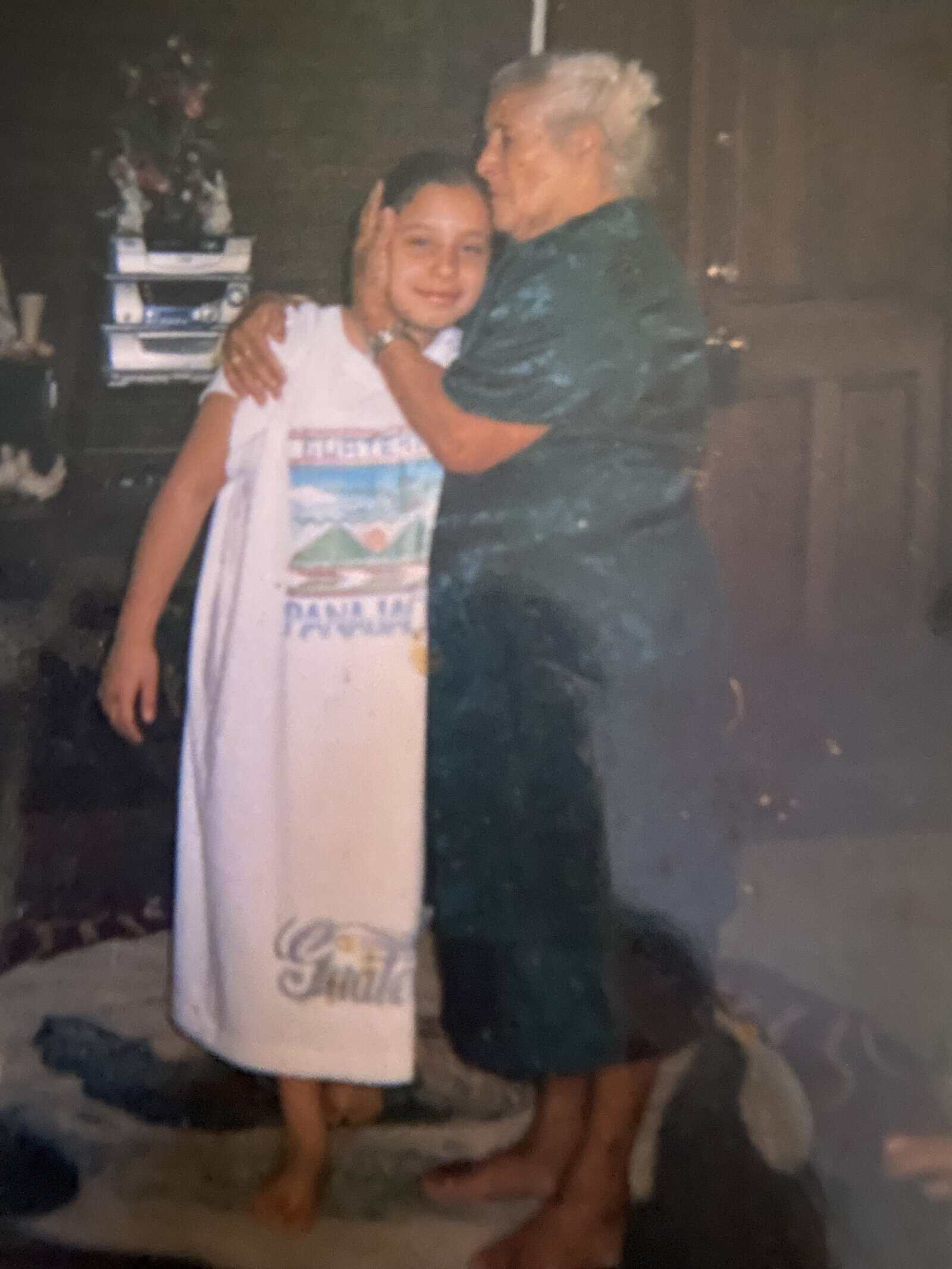
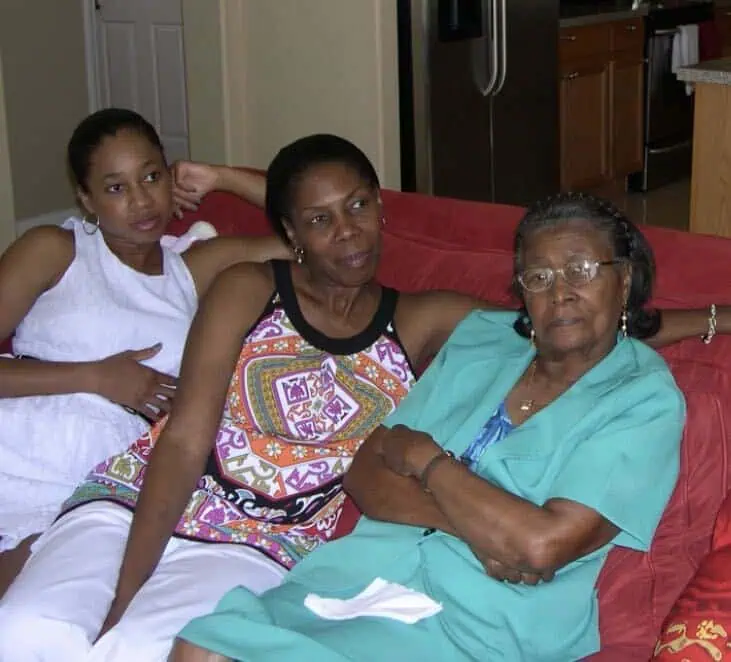
My mom is an immigrant. I remember her taking her citizenship exam when I was in elementary school. My abuela, who just turned 101, still lives in the house where she raised my mother in Panama City, Panama. It’s surrounded by greenery and little lizards that crawl on the walls and freak me the eff out. My grandpa worked on the Panama Canal. I have un montón de primos who still live there.
The military brought my immediate family to Colorado when I was three, and we’ve lived and worked here ever since. And when I say work, I mean WORK. My dad was an Army vet. My mom works in health care. I’ve been getting W-2s since I was 14, and I’ve never stopped.
When politicians sworn to serve all Americans throw stones at people from “shithole countries” and act like we contribute nothing but take from public services, I pick up a boulder and throw it back. Because, bitch, are you blind!?
Hispanic people have a legacy of labor. We work over the table, under the table, building tables, building communities and protecting and serving those communities with our various talents and gifts. Period.
And yes, we pay taxes and help fund safety-net services just like everyone else, in case we ever need to use them ourselves: Social Security, Medicaid, SNAP and more. And if we’re not giving back through our 9-to-5s, we’re giving back through our time, community building, advocacy, culture and everything else we bring with us.
That’s what I think about when I think about Hispanic people, whether I’m thinking about my own family or others. Not a threat, burden or boogeyman down the street waiting to take your good jobs or your “freedom,” which, let’s be real, is diminishing every day this administration is in office.
Instead, I think about my own family and the Hispanic families I’ve met over the years. The first words that come to mind are hardworking, community-oriented, down-to-earth, generous and welcoming.
I think about the people I hung out with in high school, when my HSG (that’s homie, sista, girlfriend) and I taught traditional Mexican dance. (Shoutout to Bailamos con Fuego, Aaron, “Just Aaron,” Synthia, Juan and all the people and families who were part of that world with us.)
To me, they’re people. Just people who deserve to be able to work hard and live a life they’re proud of, whatever that looks like.
That’s why I wanted to take the opportunity to uplift Colorado’s Hispanic communities during Hispanic Heritage Month. I don’t think there’s enough understanding of who we are and what we’re about. Or, more accurately, I think there are a lot of stereotypes about who we are, where we’re from, what we look like and what we care about.
Remember: There is diversity within diversity.
“Hispanic” can mean Panamanian, Mexican, Puerto Rican, Salvadoran, Cuban, Colombian, Dominican, Guatemalan, Honduran and so much more. Our roots can include Indigenous, African, European, Asian and other histories, often mixed together in ways you’d never know just by looking at us.
There is no one Hispanic story, look, background, culture or experience. Some of our families have been here for generations. Some came here recently. Some of our ancestors were here before the border crossed them. Some of us, like my mom, got here on an airplane in the 1980s.
But the bottom line is the same. We belong here. And I don’t think Colorado would be Colorado without us.
There are two generations of my family whose experiences have shaped my understanding of culture, identity and belonging.
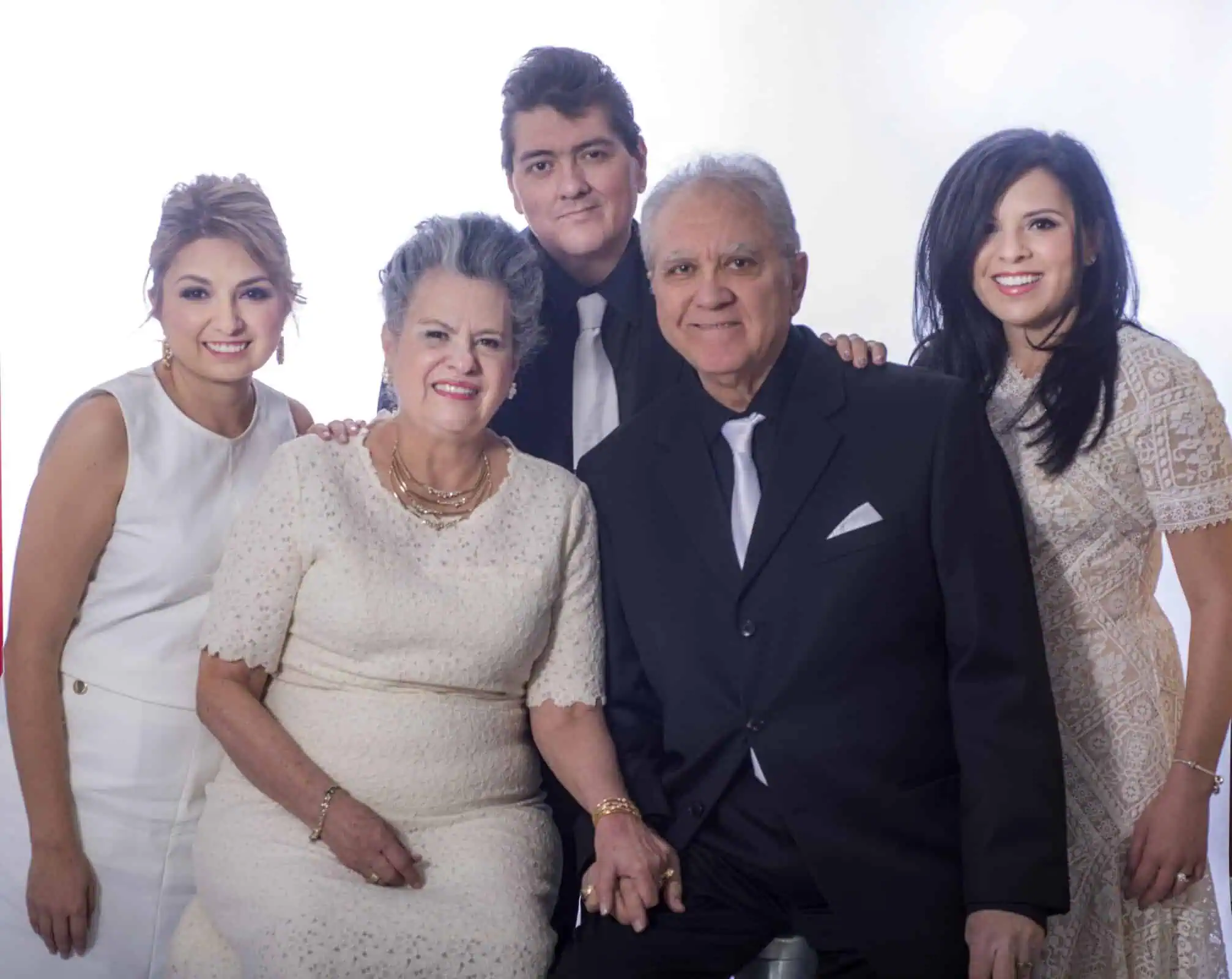
My parents grew up on the border, where life is different from other Mexican experiences. Border culture is beautiful and unique. You grow up living between two worlds, embracing the traditions, language and values of both. But there is also a quiet struggle that comes with that experience. As you move further into the United States, there is often pressure to hide, change or surrender parts of your culture to fit in. That is a part of the border experience that is too often forgotten.
My grandparents lived through many of the same political struggles around immigration and labor that families face today. My maternal grandfather owned a business in Mexico but paid taxes in the United States so his children could receive an education here. My paternal grandfather was a bracero who was recruited as a teenager to work on the railroads, only to be forced out of the United States during the Great Depression. Their stories remind me that the tension between America’s need for immigrant labor and its treatment of immigrant workers is nothing new.
Both of my grandmothers experienced the unimaginable loss of a child. That grief shaped the deep love they poured into their surviving children and grandchildren. My maternal grandmother worked alongside my grandfather, helping run their businesses. My paternal grandmother raised a large family in a small house filled with love. I visited that house again about a year ago, and it reminded me that a family’s wealth isn’t always measured by what it owns, but by the love, sacrifice and sense of belonging it passes down.
These are the stories I carry with me. They are stories of people who worked hard, built families, endured loss and navigated a country that needed their contributions but did not always welcome them. They are also stories of joy, pride, resilience and a culture that has survived across generations.
In the existential sense, I picture a couple meeting at a crossroads, one Indigenous American and the other Asian. Apparently, this scenario replayed many times over thousands of years, according to a recent DNA test. Eventually, a European, highly likely Spanish, got into the mix. In a much smaller way, Ashkenazi Jews and folks from Oceania made cameos, in addition to many others.
I did not know any of those people, but I often reflect on what they mean to me collectively. I consider this a pretty unique trait. They represent diversity. There is openness. I perceive adventure embedded throughout. A lot of these themes permeate Colorado and American history. These principles excite and motivate me.
In the present and recent past, I think of my family. Given the many close relationships I had with them, I always thought that I benefited from the “it takes a village” maxim. My great-grandparents, from Michoacán, Mexico, and grandparents from southern Colorado and northern New Mexico showed me persistence and determination. They taught me to garden and cook, including tortillas. My mom showed me that what might generally be considered impossible can be done when you believe in yourself and work toward it. My aunts and uncles taught me to get into the outdoors, fix things and work with wood. My cousins were great to adventure around west Denver with, keeping an eye out for each other.
To me, this all converges on the Mayan wisdom Lak’ech Ala K’in, which translates to “I am you and you are me” or “I am another you.”
Increased ICE activity has ripple effects across Colorado’s workforce and economy. New research shows how heightened immigration enforcement can reduce employment for immigrant and U.S.-born workers alike, and why Amendment…
From tax reforms to budget updates, we break down complex issues to keep you informed on policy decisions impacting our communities.
Your support makes it possible for CFI to provideinformation that policymakers, community leaders, and residents need to make the best decisions for themselves and their communities.