The People Who Made Us
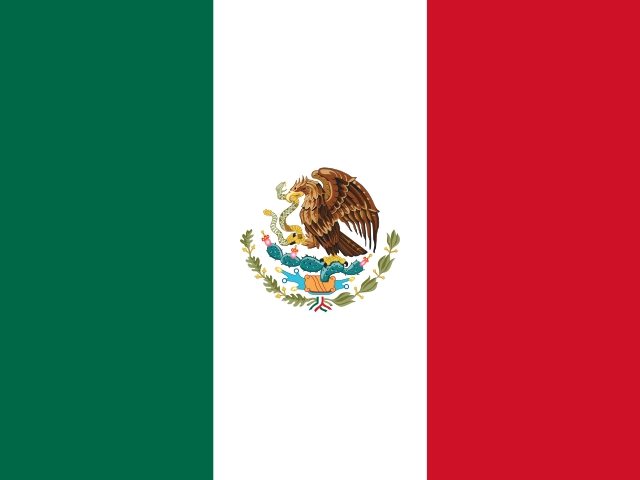
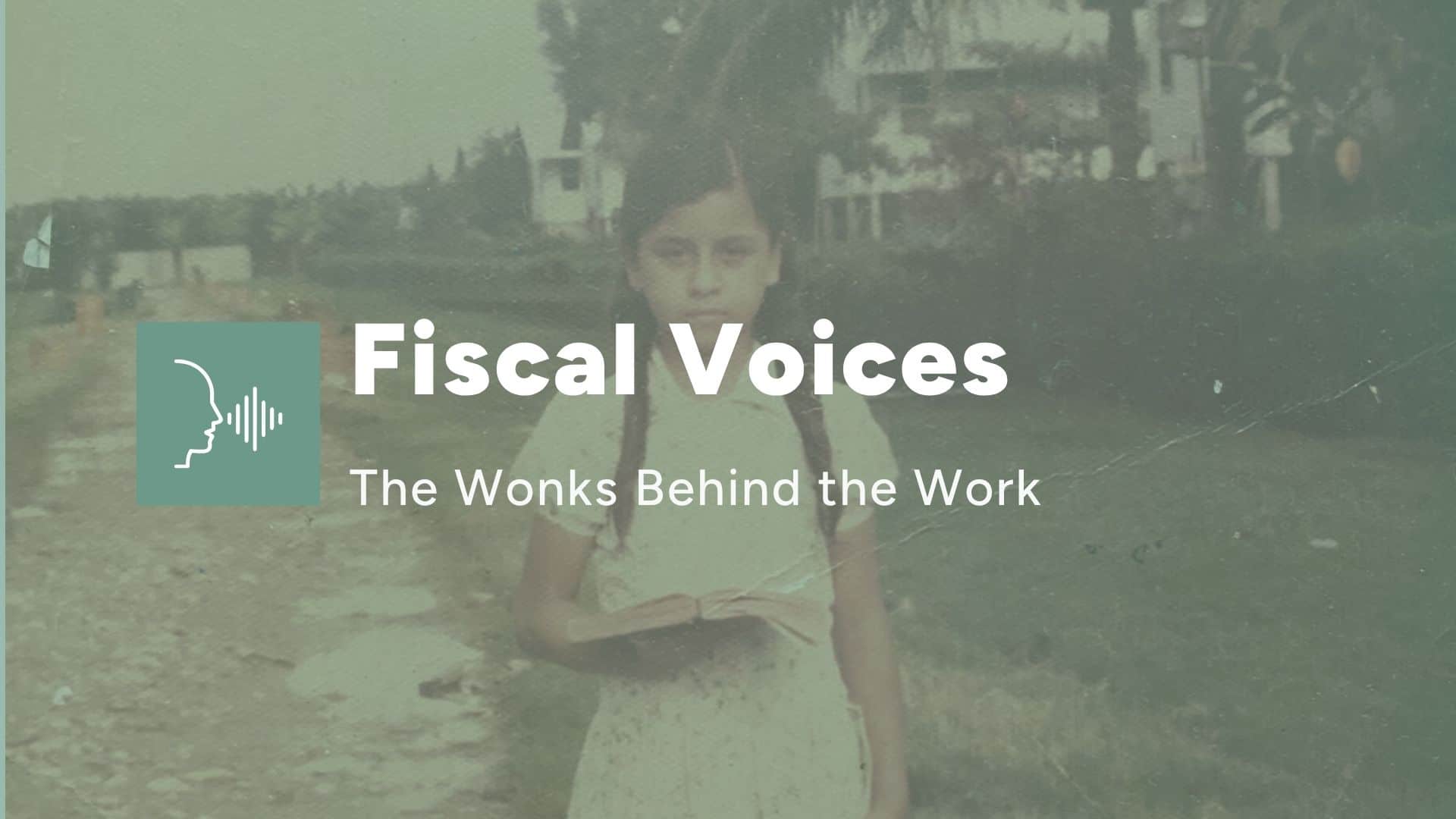
This Hispanic Heritage Month, three CFI team members share personal reflections on the families, communities and cultures that shaped their lives and helped build Colorado.
 EN
EN
TABOR might promise a government on a diet and fatter refund checks, but Colorado’s wallet feels the pinch. It’s one of the tightest tax laws in the country, quietly deciding what our state can and can’t afford. If this makes you scratch your head or mutter, “Wait, that’s fishy…” you’re in good company.
May 30, 2025
…it has limited our ability to raise pay for public workers and build the skilled workforce Colorado needs to compete?
TABOR makes it harder for Colorado to pay public workers fairly, and our state is falling behind because of it. Take teachers, for example. Colorado has the highest teacher wage penalty in the country. Compared to other college-educated professionals, Colorado teachers earn 37.4 percent less per week. That’s not only the worst in the nation, but nearly four percentage points worse than the next-worst state, Arizona. And it’s not just teachers.

Source
Across Colorado’s public sector, frontline workers, like human services employees who run child protection, food assistance, and job training programs, face serious challenges. They’re paid less, injured more, and burned out faster. A NELP study shows that in Colorado, these workers are injured on the job at twice the rate of others and face some of the highest turnover rates in the country.
TABOR is part of the problem. It caps how much revenue the state can spend each year, even when Colorado’s needs are growing, making it harder to raise wages or invest in basic labor protections.
Cost to families: That hits women and workers of color the hardest. Colorado’s public workforce is disproportionately made up of women, especially in the most dangerous and lowest-paid jobs. In fact, about two-thirds of human services workers are women, and they face higher turnover than their male counterparts. Raising pay for these workers is essential, and that starts with reforming TABOR, so the budget can reflect the real cost of living and doing critical public work in the state.
Long-term costs: Education and job training investments are starved.
TABOR has also starved Colorado’s higher education system. Since TABOR passed in 1992, the share of higher education funding coming from students and their families has jumped 42 percent. That means college and job training are less affordable, especially for working-class students. And when students can’t access the education they need, the whole economy suffers.
Colorado also lags behind other states in investments in apprenticeships and workforce training. The state has fewer workforce training providers per capita than peer states, and fewer apprentices relative to its labor force. Tax credits aren’t enough to fix the gap. The state needs real public investment, and it can’t do that without fixing TABOR.
We can’t enforce worker protections without revenue.
Wage theft remains a massive issue in Colorado. CFI’s 2022 report found that nearly 440,000 low-wage workers are impacted each year, losing a combined $730 million in stolen wages. The state, in turn, loses more than $45 million in tax revenue annually, money that could be reinvested in labor enforcement, health care, or public schools.