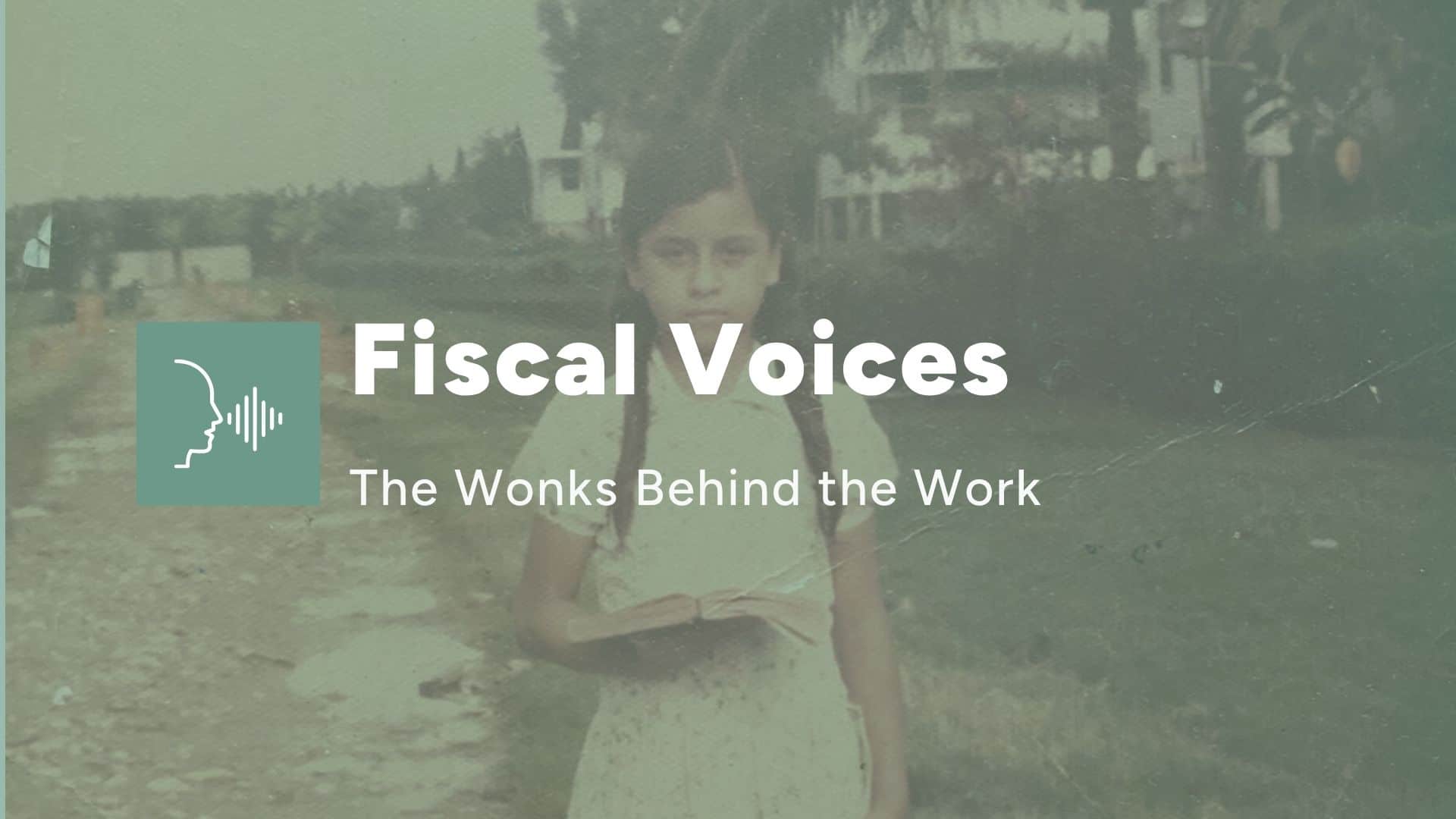
The People Who Made Us
This Hispanic Heritage Month, three CFI team members share personal reflections on the families, communities and cultures that shaped their lives and helped build Colorado.
 EN
EN
TABOR might promise a government on a diet and fatter refund checks, but Colorado’s wallet feels the pinch. It’s one of the tightest tax laws in the country, quietly deciding what our state can and can’t afford. If this makes you scratch your head or mutter, “Wait, that’s fishy…” you’re in good company.
May 26, 2025
…Colorado is facing rising property insurance premiums.
Coloradans are facing rising property insurance premiums, driven in part by mounting wildfire risk and climate volatility. As reported by the Colorado Sun, premiums increased by an average of 57.9 percent between 2018 and 2023. In some places, homeowners are experiencing policy cancellations entirely, leading the state to implement the Fair Access to Insurance Requirements, or FAIR, Plan, a last-resort insurance program available to those who have been denied coverage by at least three insurance providers. Even with this option, as climate risks mount year after year, insurance costs will only increase for homeowners.
Cost to Families: While some counties have implemented chipping programs to help homeowners dispose of tree branches and hazardous vegetation, these types of government-funded mitigation strategies are difficult to start, maintain, or boost under TABOR. Even when local governments or state agencies recognize the need for such programs, funding them can come at the expense of other programs, including education, health care, and senior services. As a result, homeowners are left to navigate costly improvements alone, or forego them entirely and face the likelihood of higher insurance premiums or coverage loss.
Long-Term Costs: This individual problem adds up to a big, statewide problem, as higher insurance costs and coverage gaps ripple through local economies. Renters may face pass-through costs, and local governments may face higher premiums to cover public buildings, again crowding out needed public investments elsewhere. All of this increases long-term fiscal risks for Colorado, pushing costs to future taxpayers. In this way, TABOR’s design limits the state’s ability to protect residents and the economy from the cascading costs of climate change.
TABOR-induced budget constraints come at the expense of needed large-scale mitigation efforts. Without these efforts, future wildfires will grow larger and more destructive, affecting not just homes and public buildings, but critical infrastructure, including watersheds, transmission lines, transportation, and gas supply lines. At the federal level, post-fire coordination and funding issues are widely recognized as a major impediment. Paired with TABOR, Colorado’s future looks increasingly vulnerable to compounding disasters, underprepared, underfunded, and reactive.