The People Who Made Us
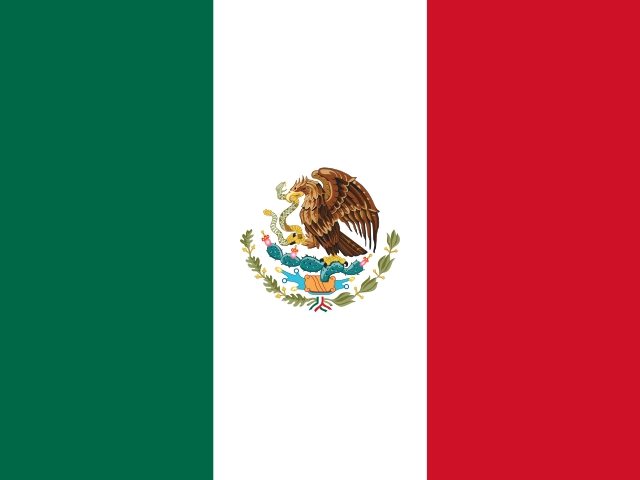
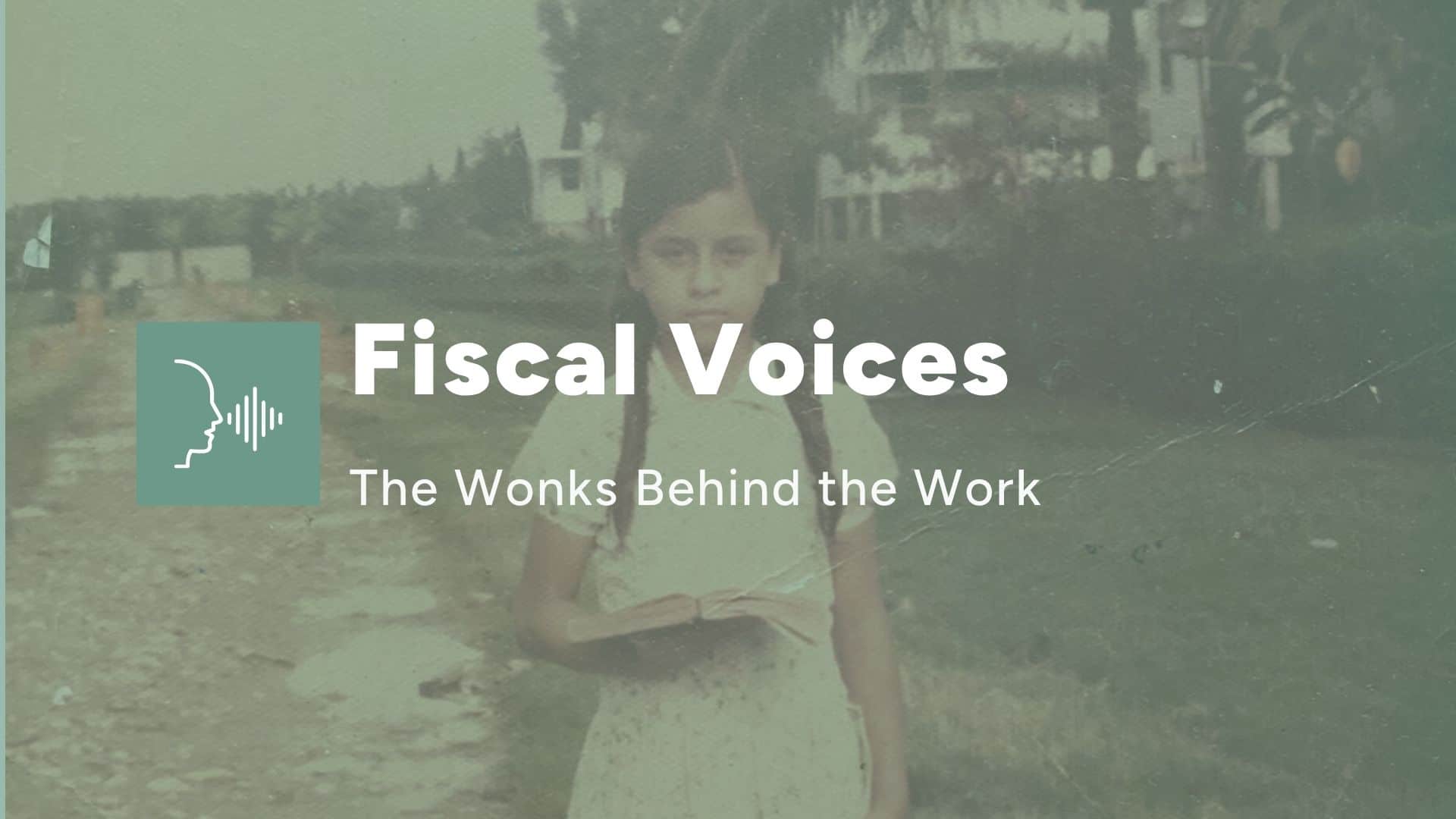
This Hispanic Heritage Month, three CFI team members share personal reflections on the families, communities and cultures that shaped their lives and helped build Colorado.
 EN
EN
TABOR might promise a government on a diet and fatter refund checks, but Colorado’s wallet feels the pinch. It’s one of the tightest tax laws in the country, quietly deciding what our state can and can’t afford. If this makes you scratch your head or mutter, “Wait, that’s fishy…” you’re in good company.
Feb. 20, 2026
…the Colorado Constitution says that billionaires, like Jared Polis and Philip Anschutz, pay the same income tax rate as you?
That’s right. TABOR’s Sec. 8 requires that all income be taxed at a single rate, with no added tax or surcharges (Read more.)
In Colorado today, that means that billionaires pay 4.4% on all of their income just like teachers, nurses, and waiters.
Sounds reasonable, you might say, but when you dig beyond the surface it’s easy to see that flat income taxes disadvantage low- and moderate-income workers and younger workers, while giving a hand up to wealthy folks and profitable corporations. This widens income inequality and means fewer resources for public services, like schools and health care that benefit all Coloradans.
What’s the difference between a flat tax and a graduated income tax? A flat tax applies the same tax rate to every dollar of income, no matter how much a person earns. A graduated income tax, also called a progressive tax, applies higher tax rates to higher levels of income.
For example, in Colorado, the state income tax rate is 4.4% for everyone. That means a teacher earning $65,000 and a lawyer earning $650,000 both pay 4.4% on all of their taxable income. In neighboring New Mexico, income tax rates range from 1.5% to 5.9%. Income is divided into brackets, and each bracket is taxed at a different rate. Under the New Mexico system, the teacher would pay a top rate of 4.7% on their income earned between $33,000 and $65,000. The lawyer would pay a top rate of 5.9% on income earned above $210,000. Importantly, both taxpayers pay the same rates on income within each bracket, the difference is that higher earners have more income taxed at the higher rates.
In practice, this means the teacher would likely pay less in state income taxes in New Mexico than in Colorado, while the lawyer would pay more.
Teacher:
CO: $65,000 x flat = $2,860
NM: $65,000 x graduated = $2,646
Lawyer:
CO: $650,000 x flat = $28,600
NM: $650,000 x graduated = $35,708
Put simply, a flat tax, like Colorado’s, means taxes hit working families harder. When you add in the other taxes that all Coloradans pay, sales taxes, gas taxes, alcohol taxes, property taxes, a flat income tax guarantees that the overall system is regressive. And this inequity grows over time. Everyday working people devote more of their income in taxes and pay more of their total income for basic essentials, while high-income earners parlay their tax advantage into greater savings and wealth.
This is why more than two-thirds of states use a graduated income tax to slow the widening gap. For 50 years, Colorado was one of those states. From its inception in 1937 until 1987, Colorado had a graduated income tax with a top rate of 10%. In 1987, like many states, Colorado experimented with a flat tax of 5%. However, unlike other states that have the power to change course when something doesn’t work, the passage of TABOR in 1992 locked that flat tax experiment into the state constitution. So despite the widening gap and a growing number of new Colorado taxpayers who repeatedly say they want the wealthiest individuals and corporations to pay more, fixing it requires an expensive statewide ballot campaign.

Did you know there’s a statewide effort already underway to update Colorado’s outdated flat tax system? Protect Colorado’s Future is a growing coalition of parents, educators, health advocates, community leaders, and policy organizations working together to build a fairer tax code that actually funds the things families rely on — schools, child care, health care, safety, and economic opportunity. If you’re ready to move from receipts to results, learn more and get involved at ProtectColoradosFuture.com.