The People Who Made Us
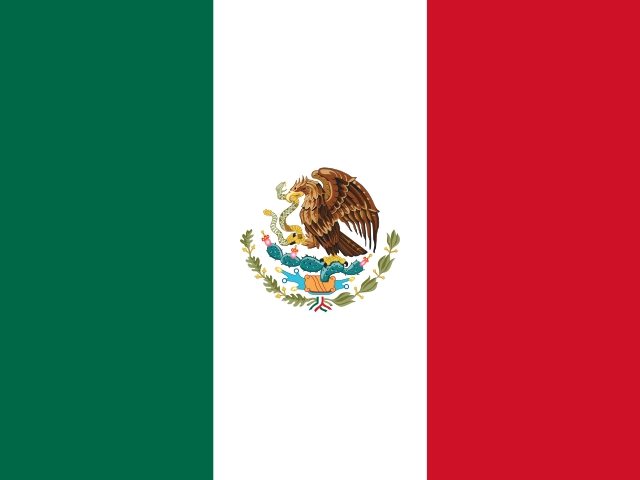
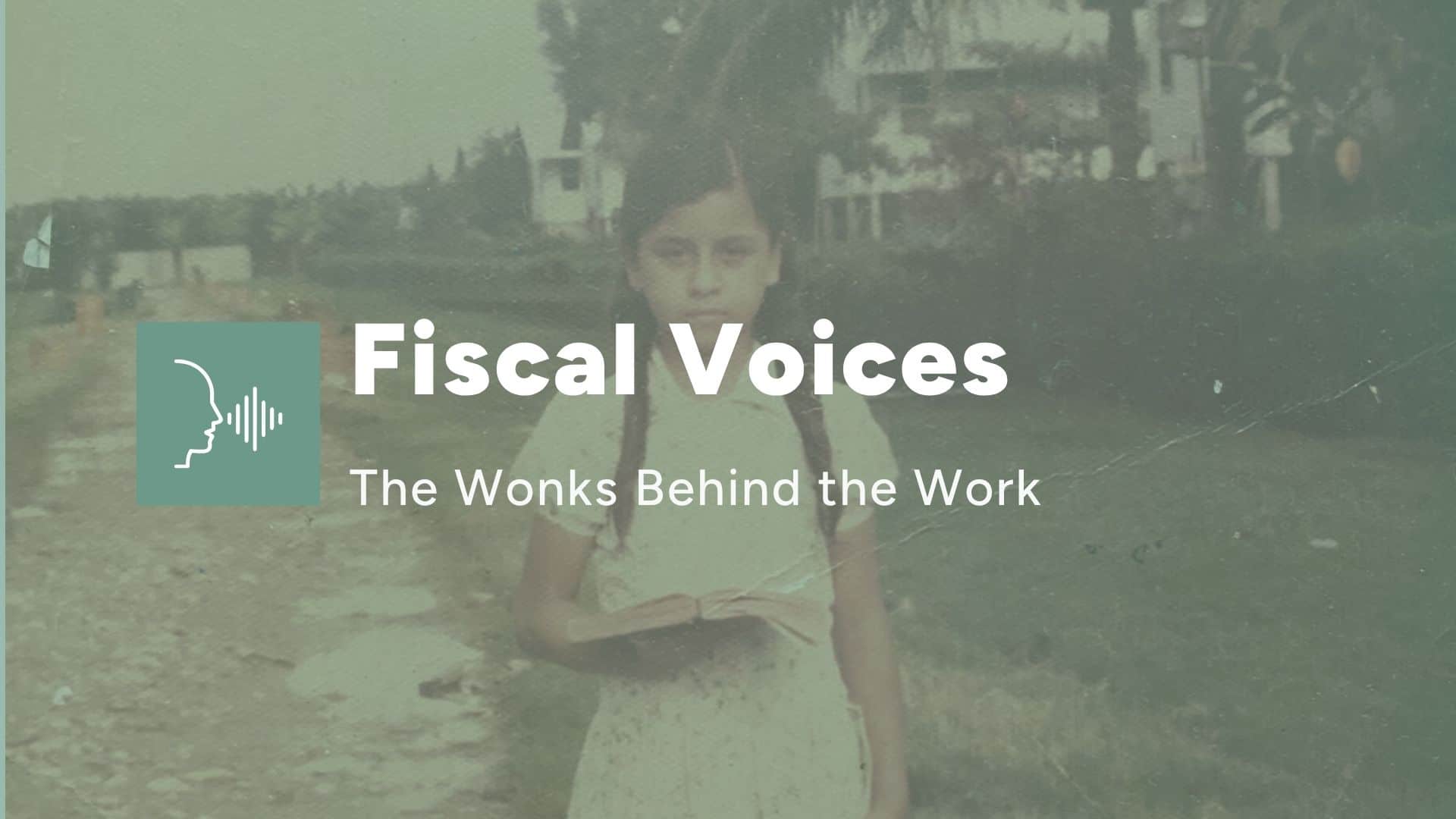
This Hispanic Heritage Month, three CFI team members share personal reflections on the families, communities and cultures that shaped their lives and helped build Colorado.
 EN
EN
TABOR might promise a government on a diet and fatter refund checks, but Colorado’s wallet feels the pinch. It’s one of the tightest tax laws in the country, quietly deciding what our state can and can’t afford. If this makes you scratch your head or mutter, “Wait, that’s fishy…” you’re in good company.
Jan. 28, 2026
…Colorado taxpayers have received rebates less than half the time, despite the widespread belief that they are an annual benefit?
Bad news next year for many Coloradans who have grown accustomed to a hefty TABOR rebate check come tax season. Tax year 2026, which Coloradans will file in 2027, will be the first time since 2020 that Colorado taxpayers will not receive a TABOR rebate. For many people, TABOR rebates feel like an annual fixture. However, in 34 years of TABOR, rebates have been available less than 50 percent of the time. TABOR rebates were sent to Colorado taxpayers only twice throughout the entirety of the 2010s.
Economic irregularities following the COVID-19 pandemic yielded massive TABOR rebates, to the tune of $750 and $800 per taxpayer. As the economy regained its equilibrium, revenue above the TABOR cap dropped dramatically, causing confusion among Colorado taxpayers when they do not receive hundreds of dollars in TABOR rebates after filing taxes. These large rebates helped further entrench support for TABOR among Coloradans, despite the fact that the now hugely popular rebates had never before been that large, likely never will be again, and have never been a permanent part of the state’s tax system.
Important to note: The state sending money above the TABOR cap back to taxpayers is not necessarily an indication of a fully funded government. The term “TABOR surplus,” used to describe money above the TABOR cap, is a misnomer. Many important public programs fall short of necessary funding, even in TABOR rebate years. Even when K-12 schools and Medicaid are making budget cuts, the state cannot always spend all available money to fund them. Between 2021 and 2023, K-12 schools were short more than $950 million of the constitutional mandate for school funding. During this time, the state sent more than $7.8 billion back to taxpayers.
This is not to say that using the tax code to put cash in people’s pockets is not a priority for those, like CFI, who want to see TABOR go. Much more effective than TABOR rebates are robust, targeted tax credits for working families, such as the Earned Income Tax Credit, Child Tax Credit, and recently created Family Affordability Tax Credit. In 2025, the combination of these tax credits cut child poverty in Colorado by 40 percent. They are reliable, needed boosts to the income of the people who keep the economy running, working families. As taxpayers look to tax refunds as a way to uplift families and local economies, these tax credits emerge as the better solution than unreliable, often flimsy, $30-or-less TABOR rebates.