The People Who Made Us
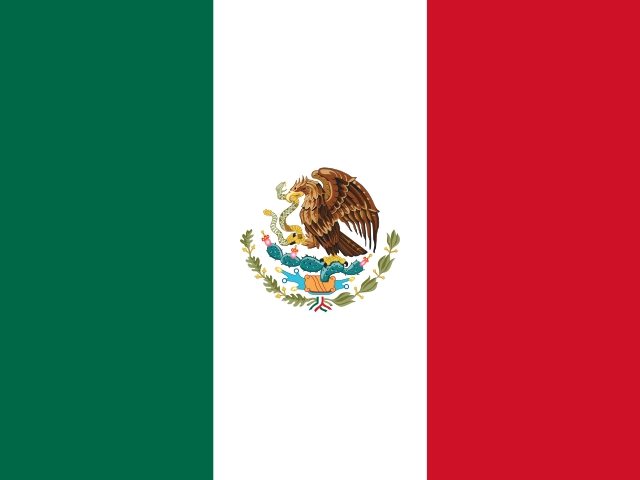
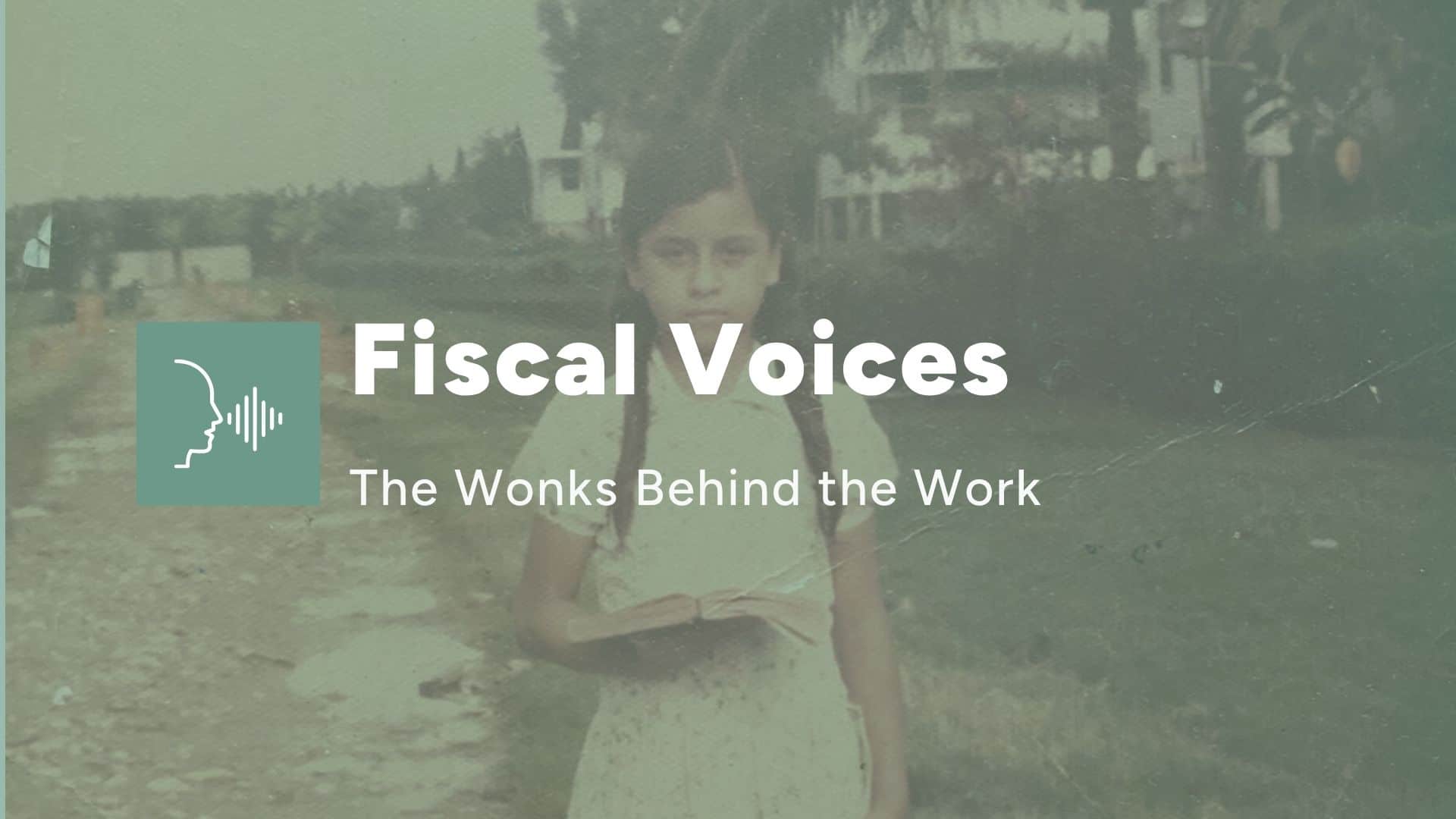
This Hispanic Heritage Month, three CFI team members share personal reflections on the families, communities and cultures that shaped their lives and helped build Colorado.
 EN
EN
TABOR might promise a government on a diet and fatter refund checks, but Colorado’s wallet feels the pinch. It’s one of the tightest tax laws in the country, quietly deciding what our state can and can’t afford. If this makes you scratch your head or mutter, “Wait, that’s fishy…” you’re in good company.
Sept. 26, 2025
…it has just made the state’s finances more complicated?
TABOR’s language creates a confusing distinction between “taxes” and “revenue,” which means voters do not actually have the final word on all changes that impact their bottom line.
TABOR requires voter approval for any new taxes and revenue, which makes budgeting tricky, even for changes like delinking Colorado’s tax code from the federal code, which could save residents money.
TABOR creates uncertainty for routine tax decisions, forcing the state to waste time and resources on legal fights instead of good governance. As a result, smart reforms that could simplify the tax code or make it fairer are often stalled or abandoned due to the risk of a TABOR challenge.
The Bottom Line: TABOR was not designed to give voters more power. It was cooked up by an anti-government activist to shrink the state’s reach. Its arbitrary rules and strange definitions hand power to lawyers and accountants who know the loopholes, not everyday Coloradans. Voters get less transparency, less say, and more confusion.
Tell a Friend: TABOR claims to protect you from tax hikes, but really, it just keeps you in the dark about how tax policy actually works.