The People Who Made Us
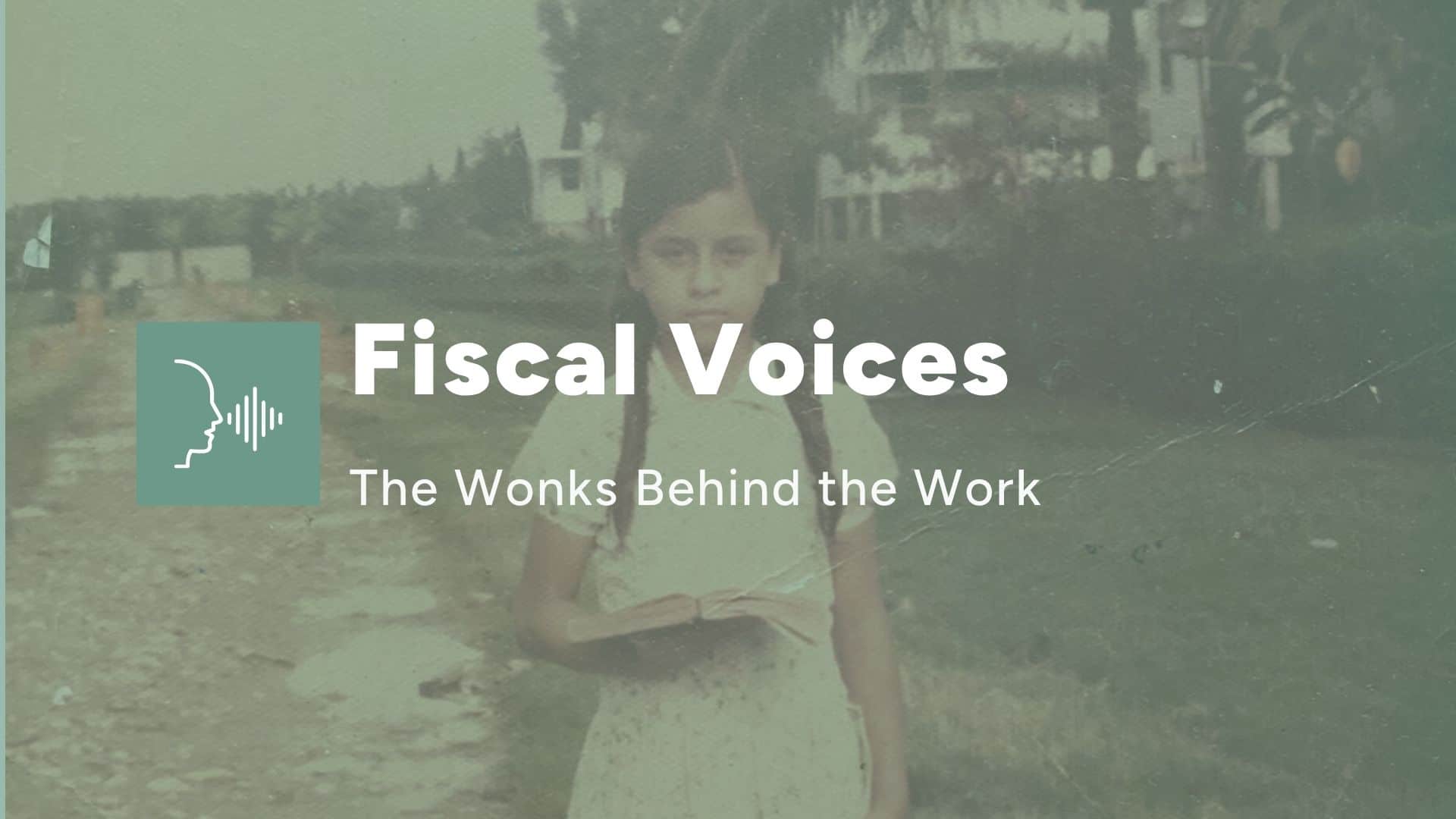
This Hispanic Heritage Month, three CFI team members share personal reflections on the families, communities and cultures that shaped their lives and helped build Colorado.
 EN
EN
TABOR might promise a government on a diet and fatter refund checks, but Colorado’s wallet feels the pinch. It’s one of the tightest tax laws in the country, quietly deciding what our state can and can’t afford. If this makes you scratch your head or mutter, “Wait, that’s fishy…” you’re in good company.
April 4, 2025
…our shared infrastructure has been hamstrung and deteriorated?
Between 2020 and 2030, the state’s population is projected to increase by half a million people, greatly increasing the strain on the public infrastructure we all share. TABOR has contributed to this debacle.
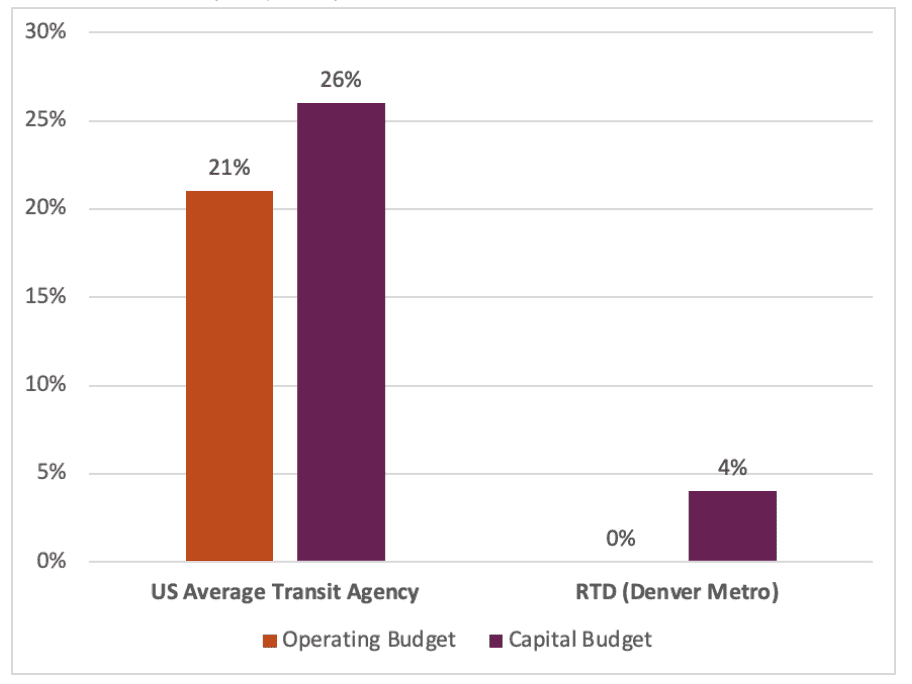
As our partners at the Southwest Energy Efficient Project (SWEEP) have noted, the average transit agency in the U.S. received 21% of its operating budget and 26% of its capital budget from state funding sources. In the Denver metro area, though, the Regional Transportation District (RTD) receives 0% of its operating budget and only 4% of its capital budget from state sources.
Share of Transit Agency Budget From State Sources
Without expanding public transportation options across our state, more and more costs will accumulate for Colorado drivers. According to TRIP, a national nonprofit organization focusing on surface transportation issues, 40% of major urban roads and highways in Colorado are in poor or mediocre condition. Driving on rough roads costs the Colorado driver $468 annually in additional vehicle operating costs. Congested roads add hundreds of dollars more in lost time and wasted fuel.
Under TABOR, solving some of the above problems is a significant challenge. In 2018, voters were asked to increase the sales tax to fund a variety of road, transit, pedestrian, and bike projects through Proposition 110. Importantly, the ballot language began with the following:
Shall state taxes be increased $766,700,000 annually for a 20-year period, and state debt shall be increased $6,000,000,000 with a maximum repayment cost of $9,400,000,000, to pay for state and local transportation projects…
The measure failed. Sticker shock and little public knowledge of the initiative may have had something to do with such a result. Scholars have found that opposition arguments are effective in generating more “no” votes and that support arguments are ineffective in generating more “yes” votes. Other research has found that only 1 in 4 voters is aware of even a single measure on an upcoming ballot. Even with a growing need for additional funding for transportation and infrastructure projects in the state, TABOR makes it all the more difficult.