
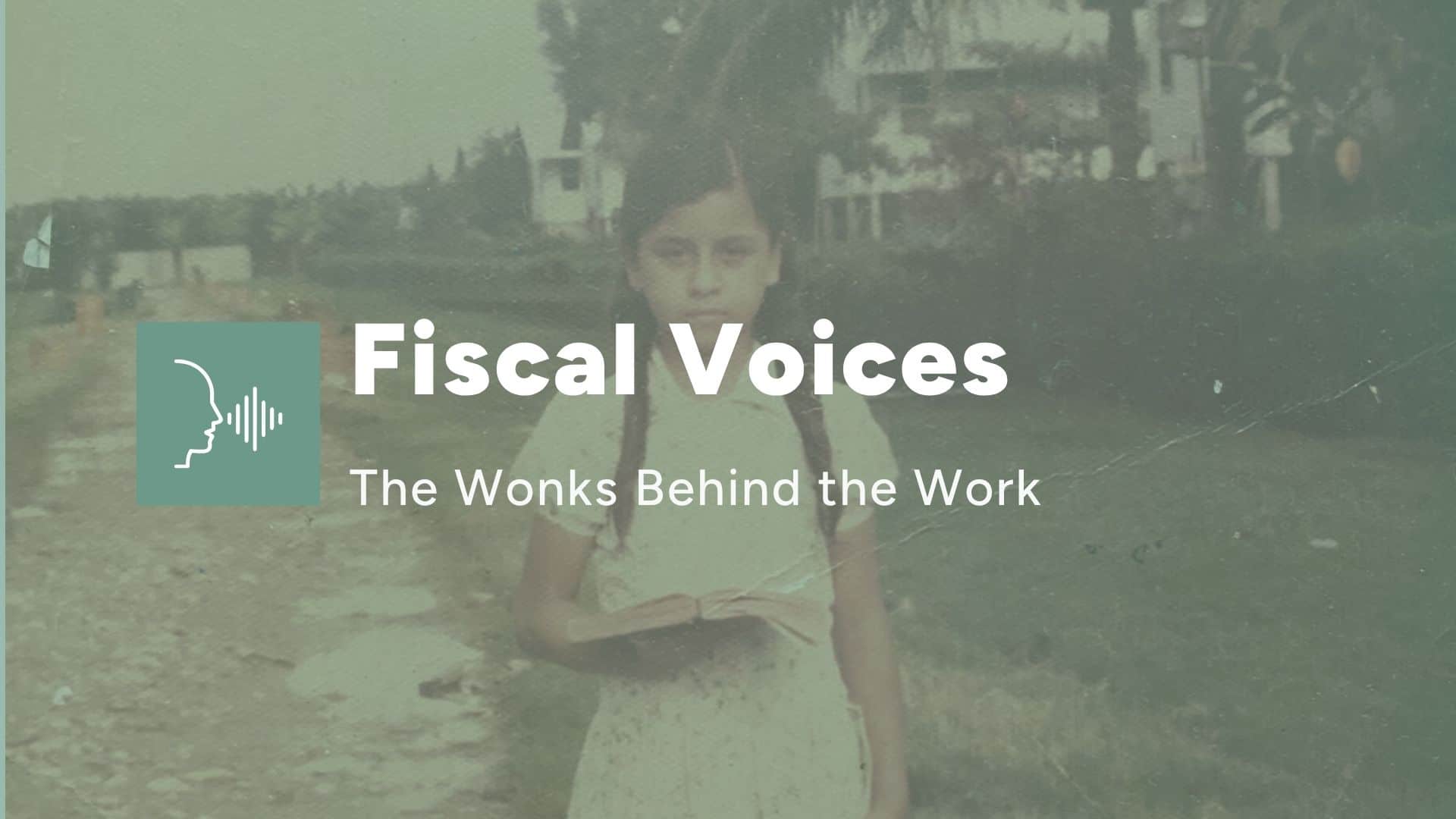
The People Who Made Us
This Hispanic Heritage Month, three CFI team members share personal reflections on the families, communities and cultures that shaped their lives and helped build Colorado.
 EN
EN

TABOR might promise a government on a diet and fatter refund checks, but Colorado’s wallet feels the pinch. It’s one of the tightest tax laws in the country, quietly deciding what our state can and can’t afford. If this makes you scratch your head or mutter, “Wait, that’s fishy…” you’re in good company.
March 20, 2025
…four-day school weeks have become the norm—at a heavy cost?
According to a recent report by the Keystone Policy Center, in 2023, 119 out of 185 school districts in Colorado were operating on a 4-day school week. While only 14% of students in the state actually attend one of these districts, which are almost entirely rural, it is reasonable to expect more school districts to implement the schedule, as TABOR makes attracting and maintaining qualified teachers and staff a challenge. Colorado has the fifth lowest starting teacher salary in the nation, and only 4 in 10 districts have a starting salary of at least $40,000.
With children not in school one additional day per week, parents are left with two options: foot the bill for increasingly expensive child care (up to $2,400 a year in Colorado), or miss work to watch their children. The latter option is associated with declining women’s labor force participation. TABOR costs you money.

Source: Keystone Policy Center, “Doing Less with Less”
In Colorado, four-day school weeks were often implemented to increase teacher recruitment and retention, yet little to no evidence suggests this has occurred. In fact, turnover rates remain higher in 4-day school week districts, as shown in the chart above. As the Keystone Center notes, budget savings were also negligible to nonexistent. Many studies show that 4-day school weeks had a negative impact on student achievement, academic growth, and could lead to chronic absenteeism among high school students. By implementing unproven cost-cutting measures like 4-day school weeks, we are limiting the potential of our future Colorado workforce. TABOR costs us all in the long run.