The People Who Made Us
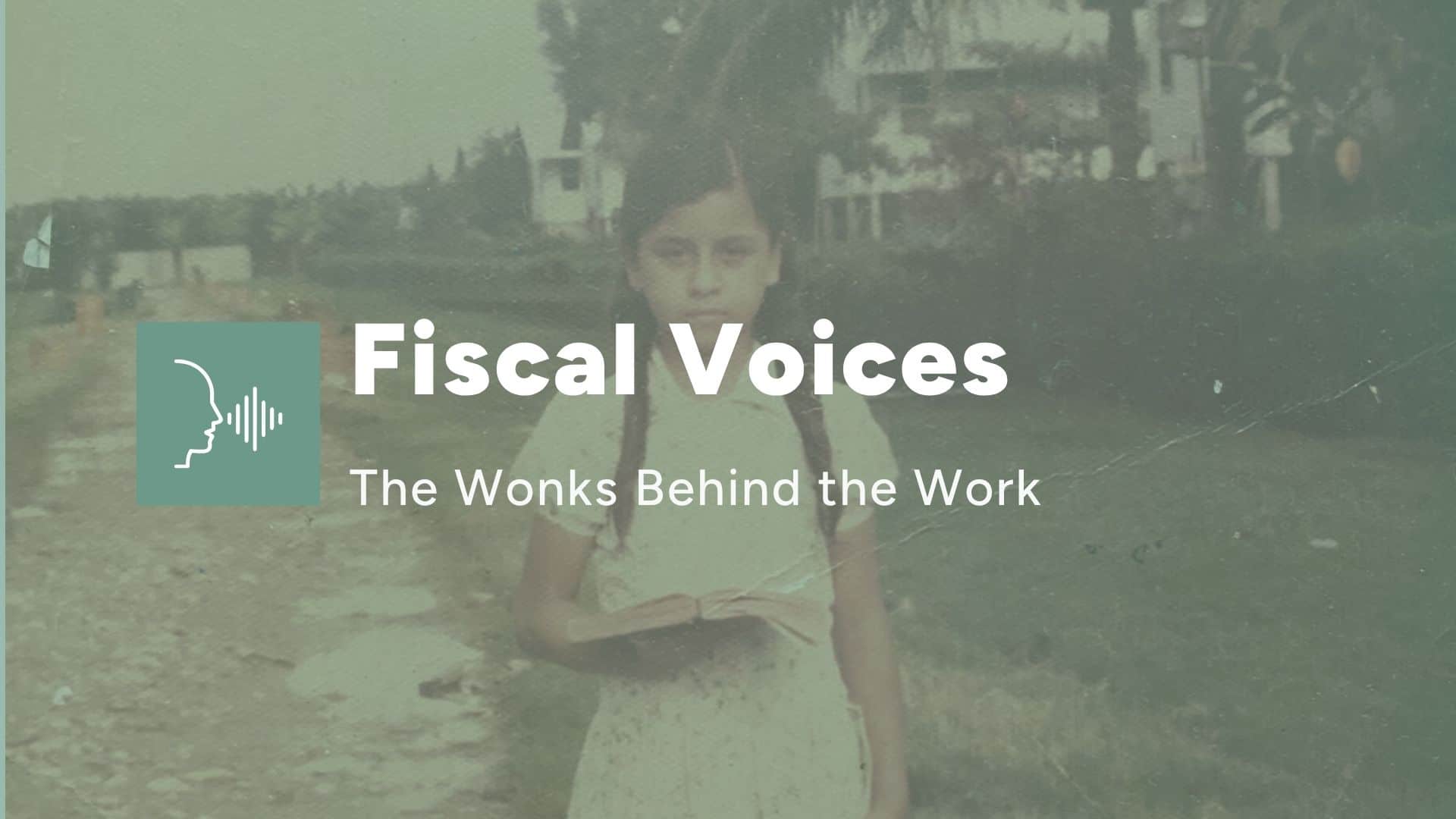
This Hispanic Heritage Month, three CFI team members share personal reflections on the families, communities and cultures that shaped their lives and helped build Colorado.
 EN
EN
TABOR might promise a government on a diet and fatter refund checks, but Colorado’s wallet feels the pinch. It’s one of the tightest tax laws in the country, quietly deciding what our state can and can’t afford. If this makes you scratch your head or mutter, “Wait, that’s fishy…” you’re in good company.
March 14, 2025
Introducing TABOR: The Colorado Con, the Colorado Fiscal Institute’s brand-new weekly email series, where we serve up Tater-Tot-sized bites of content to help you explain why TABOR isn’t working for Colorado.
We understand—inflation is high, bank balances are low, and extra cash would help ease the pressure. There’s no shame in wanting a little more. So, let’s explore other ways to put more money in your pocket without putting a strain on our lawmakers.
Whether you’re a legislator, grassroots activist, or just a concerned citizen who sees how TABOR has our state budget stuck in a crisis, this series is your go-to guide.
Why: Since 1992, we’ve been hoodwinked into thinking that the Colorado Taxpayer’s Bill of Rights gives us control over our tax dollars, when in reality, it’s like handing lawmakers a set of handcuffs. TABOR keeps us from fully funding the services we all need, like education.
Why Now: As you may have noticed, key federal programs are being slashed. But here’s the kicker—unlike other states, Colorado can’t fill those funding gaps because of TABOR. Our deficit is only going to get worse until we confront the big, pink elephant in the room: an outdated law that wasn’t built to adapt to the needs of a growing state.
If you’re ready to shake up the status quo and take on our tax laws, hit that subscribe button!
Did you know since TABOR passed in 1992 state support for higher education has declined markedly?
Since TABOR passed in 1992, the proportion of total education revenue at public institutions that comes from students and their families has increased 42%. Put another way, students and their families contribute 65% of the total cost of public higher education in Colorado, compared to just 46% in 1992. TABOR costs you money.
The “Student Share” in Colorado — Then and Now…

According to the National College Attainment Network, for each additional post-secondary graduate, an additional 6.6 support jobs will be generated throughout the Colorado economy. Further, each post-secondary graduate will expand the tax base by an average of $4,281 annually, paying back the state portion of post-secondary expenses within 5.9 working years, thus reducing the pressure on tax rate increases. Despite the many economy-wide benefits of having a more educated workforce, with more of the cost falling on students and their families, attaining a 2- or 4-year degree has only gotten more difficult. TABOR costs us all in the long run.