The People Who Made Us
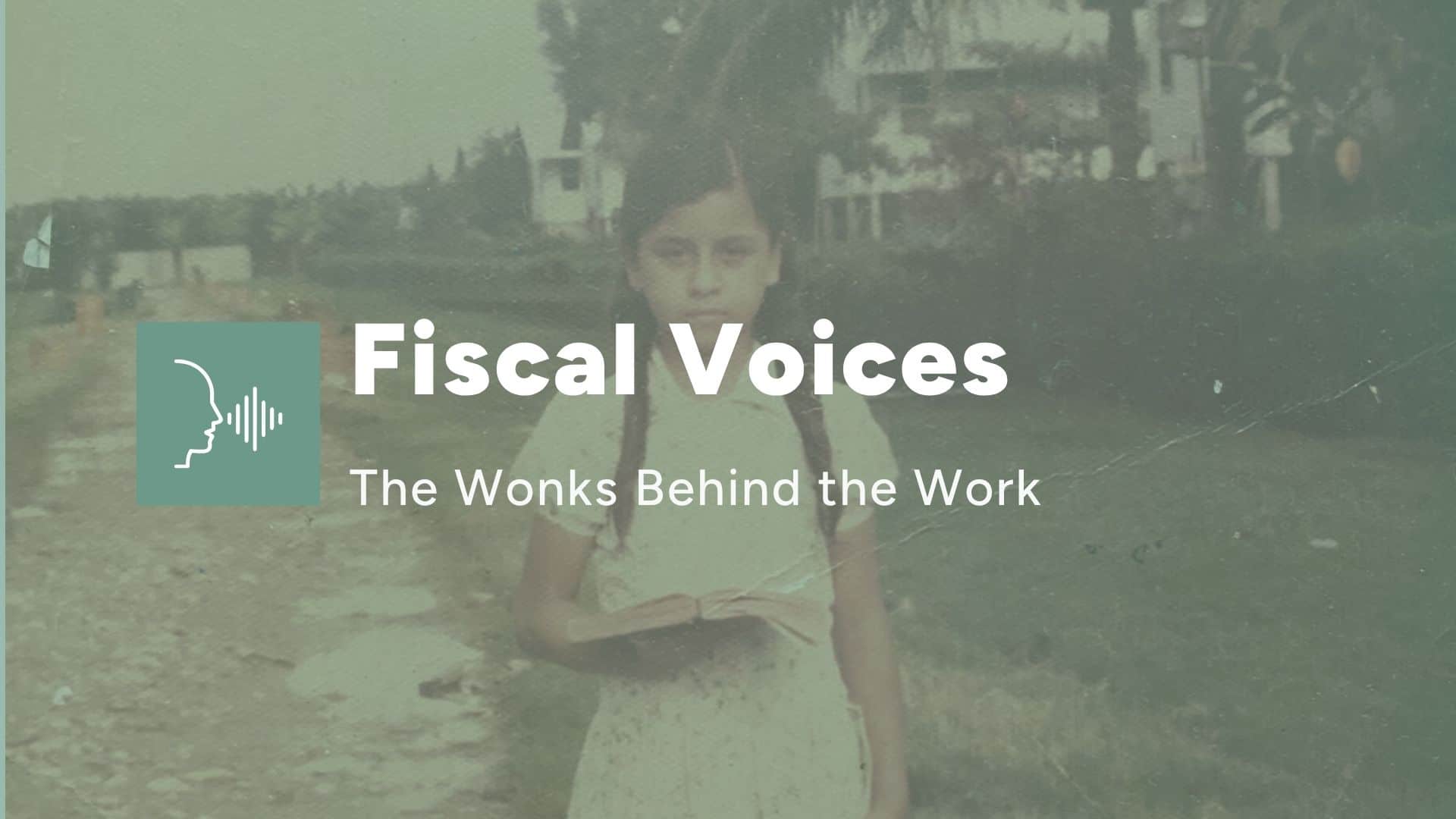
This Hispanic Heritage Month, three CFI team members share personal reflections on the families, communities and cultures that shaped their lives and helped build Colorado.
 EN
EN
Colorado’s tax code is unusual. The state has a flat income tax, meaning a gas station cashier and a millionaire pay the same income tax rate. Colorado also relies heavily on sales taxes, property taxes, fees, and other costs that tend to take a larger share of income from working families, while TABOR makes it especially difficult to update the tax code or keep public services funded as the state grows.
Over the years, lawmakers, advocates, and voters have proposed ways to turn this upside-down system right side up. The latest effort is Initiative 195, a proposed graduated income tax measure that would lower taxes for Coloradans earning less than $500,000 a year while raising rates on very
high-income households and the most profitable corporations.
Opponents warn that the change would send wealthy people and businesses across the state line. This explainer looks at state and national historical data to examine whether that warning holds up against the research.