The People Who Made Us
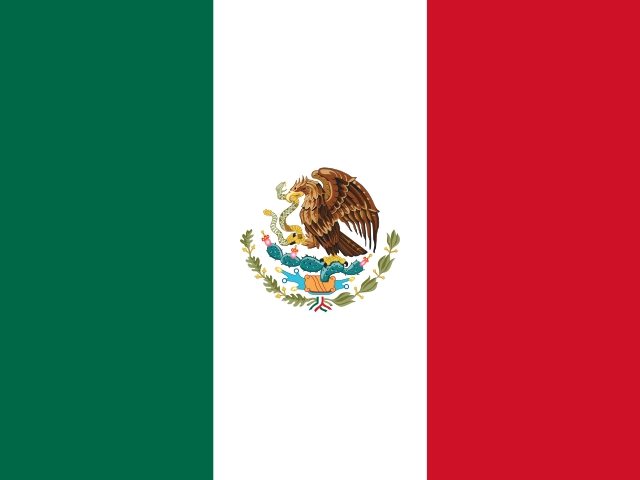
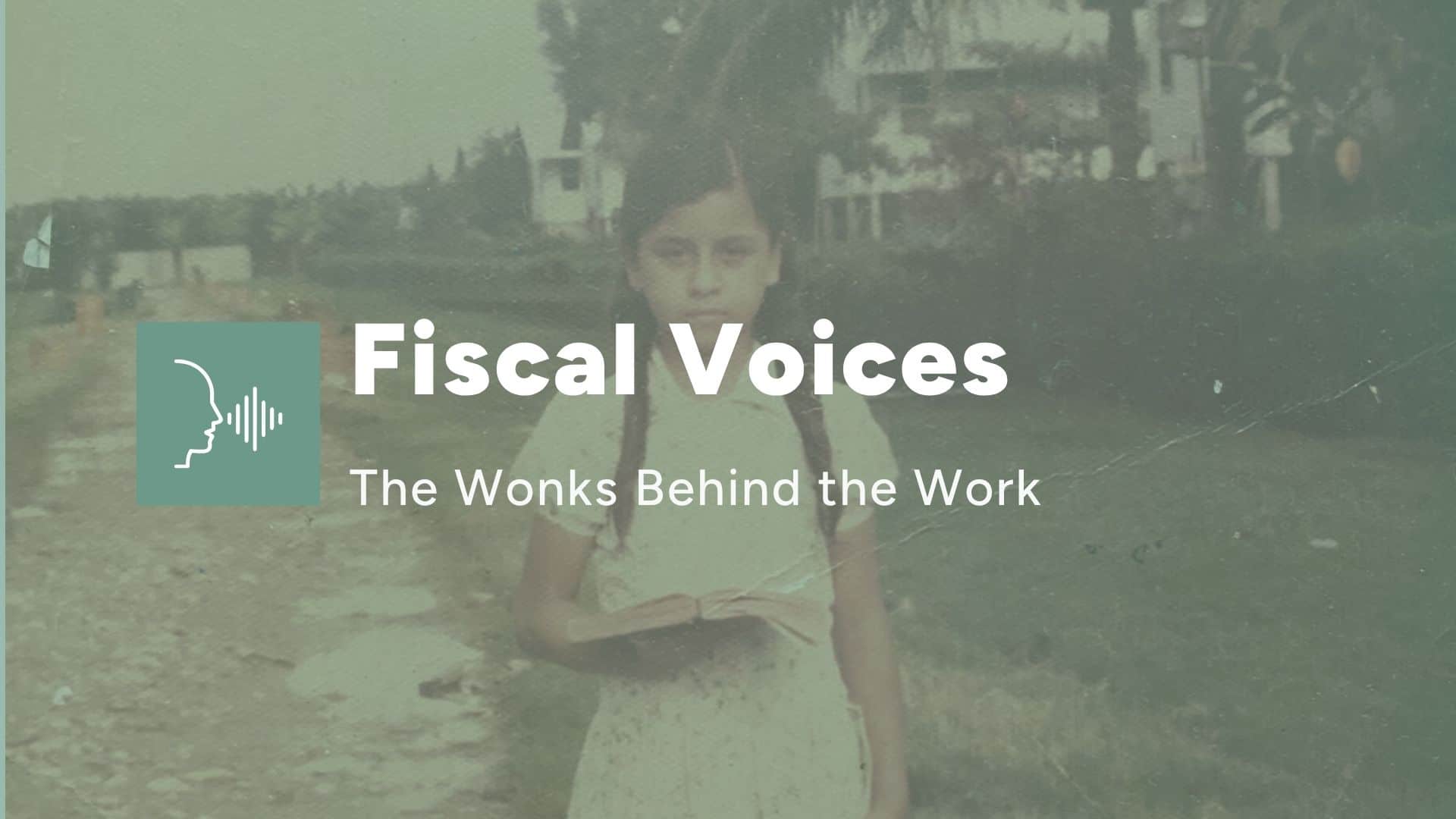
This Hispanic Heritage Month, three CFI team members share personal reflections on the families, communities and cultures that shaped their lives and helped build Colorado.
 EN
EN
TABOR might promise a government on a diet and fatter refund checks, but Colorado’s wallet feels the pinch. It’s one of the tightest tax laws in the country, quietly deciding what our state can and can’t afford. If this makes you scratch your head or mutter, “Wait, that’s fishy…” you’re in good company.
May 22, 2026
…anti-tax activists have fueled the idea that government can’t be trusted with taxpayer dollars, helping justify decades of underfunding for services like health care for working families in Colorado?
“Waste, fraud and abuse” rhetoric is nothing new. For decades, state and federal officials have used it to justify restricting public programs in the name of “protecting taxpayer dollars,” while too often denying working families access to resources they’ve earned and deserve.
For example, since the administration took office Jan. 20, 2025, federal officials have repeatedly blamed immigrants for straining public benefits systems, using that narrative to push cuts to programs working families rely on while ramping up spending on ICE and Border Patrol. Specifically, it has:
In Colorado, this narrative has also been used for decades to uphold TABOR by framing it as a way to give voters more say over government spending. Supporters argue TABOR protects taxpayers by limiting the role of elected officials, but critics say it has become a barrier that prevents the state from fully funding essentials like health care, food assistance, and child care.
TABOR has tied lawmakers’ hands, limiting their ability to respond to budget challenges and invest in public services. The narrative has also fueled the idea that budget shortfalls are caused by “immigrants mooching off the system” or government waste, distracting from the structural limits lawmakers face under TABOR.
Now, as federal cuts leave major holes in the state budget, TABOR is limiting how lawmakers can respond. Colorado could also be forced to spend more than $57 million implementing new Medicaid work requirements, making it even harder for working families to access health care.
But there is hope. A growing grassroots effort is underway to put Initiative 195 on the ballot. The measure would create a graduated income tax in Colorado, raising an estimated $2 billion to $2.7 billion for priorities like health care, including Medicaid, child care, and K-12 education.
Under the proposal, the wealthiest Coloradans and large corporations would pay more in taxes, while those earning less than $500,000 a year would pay less.
At a moment when working families and lawmakers are being asked to do more with less, Initiative 195 would give Colorado additional resources to invest in communities and respond to growing needs. We have six more weeks to get it on the ballot. Join us and be part of the movement for a stronger Colorado.

Did you know there’s a statewide effort already underway to update Colorado’s outdated flat tax system? Protect Colorado’s Future is a growing coalition of parents, educators, health advocates, community leaders, and policy organizations working together to build a fairer tax code that actually funds the things families rely on — schools, child care, health care, safety, and economic opportunity. If you’re ready to move from receipts to results, learn more and get involved at ProtectColoradosFuture.com.