Hoy se cumplen dos años desde que Roe contra Wade fue revocada, lo que provocó horror o celebración, dependiendo de a quién se le preguntara. A raíz de ello, 14 estados promulgaron prohibiciones totales del aborto solo en 2023. En respuesta, otros estados se apresuraron a proteger el acceso, entre ellos Colorado, que aprobó leyes que afirman el derecho al aborto y protegen a las pacientes y a los proveedores de amenazas legales más allá de las fronteras estatales.
Pero si pensabas que la batalla había terminado, al menos por ahora, piénsalo de nuevo.
Escondido dentro del Ley de una sola factura grande y bonita (OBBBA, por sus siglas en inglés)—un amplio proyecto de ley presupuestaria federal aprobado por la Cámara de Representantes de los Estados Unidos en mayo y que ahora se encuentra en fase de deliberación en el Senado— es una disposición que podría dificultar aún más el acceso al aborto, incluso en los estados donde es legal..
Compartimos esto porque el acceso al aborto tiene implicaciones fiscales reales, y porque todos merecen saber lo que está en juego, especialmente cuando una legislación tan compleja y trascendental se está impulsando sin apenas atención pública. La OBBBA es un caballo de Troya: envuelta en jerga, pero con políticas que tendrían efectos reales y perjudiciales en la vida de las personas. Está diseñada para restar poder a las personas que ya viven en los márgenes, aquellas que solo intentan sobrevivir, mientras que ofrece enormes beneficios a los ultra ricos. Desde restringir las opciones de atención médica hasta recortar las ayudas económicas, la OBBBA sacrifica la dignidad y las oportunidades de la mayoría a cambio de aún más poder y privilegios para unos pocos.
Una disposición de la OBBBA restablecería la financiación federal para las reducciones de costos compartidos (CSR) en virtud de la Ley de Cuidado de Salud Asequible, un cambio que, a primera vista, parece una victoria para la asequibilidad. Pero hay una trampa: la ley federal prohíbe que la financiación de las CSR se destine a planes de salud que cubran el aborto, excepto en casos extremadamente limitados, como violación, incesto o peligro de muerte. Esta restricción se establece explícitamente en Sección 44126 de la OBBBA (páginas 338-339), que prohíbe que los fondos federales de Medicaid se destinen a cualquier entidad que preste servicios de aborto fuera de esas excepciones. Esto significa que en un estado como Colorado, donde el aborto es legal y está protegido por la Constitución, las personas con bajos ingresos podrían seguir perdiendo el acceso a planes de salud asequibles que incluyan la cobertura del aborto. Y esa pérdida afectaría más duramente a quienes ya se enfrentan a barreras sistémicas para acceder a la atención médica: las personas de color, los jóvenes y los trabajadores con salarios bajos.
Más información sobre las CSR y el “silver loading” en este enlace. Explicación de KFF.
Esto significa que en un estado como Colorado, donde el aborto es legal y está protegido por la Constitución, las personas con bajos ingresos podrían seguir perdiendo el acceso a planes de salud asequibles que incluyan la cobertura del aborto. Y esa pérdida afectaría más duramente a quienes ya se enfrentan a barreras sistémicas para acceder a la atención médica: las personas de color, los jóvenes y los trabajadores con salarios bajos.
En el Instituto Fiscal de Colorado, hemos escrito sobre cómo el acceso al aborto está directamente relacionado con las oportunidades económicas. Nuestra investigación muestra que las prohibiciones del aborto empeoran los resultados en materia de salud, limitan los ingresos, aumentan los costos de Medicaid y reducen la participación en la fuerza laboral, especialmente entre las mujeres y las personas de color. Mientras tanto, los estados que protegen el acceso, como Colorado, California y Nueva York, registran una mayor participación en la fuerza laboral y resultados económicos más equitativos.
Esto es lo que realmente está en juego en la OBBBA: no solo exenciones fiscales para multimillonarios, sino la erosión silenciosa de la capacidad de las personas para tomar decisiones sobre su salud, sus familias y su futuro económico.
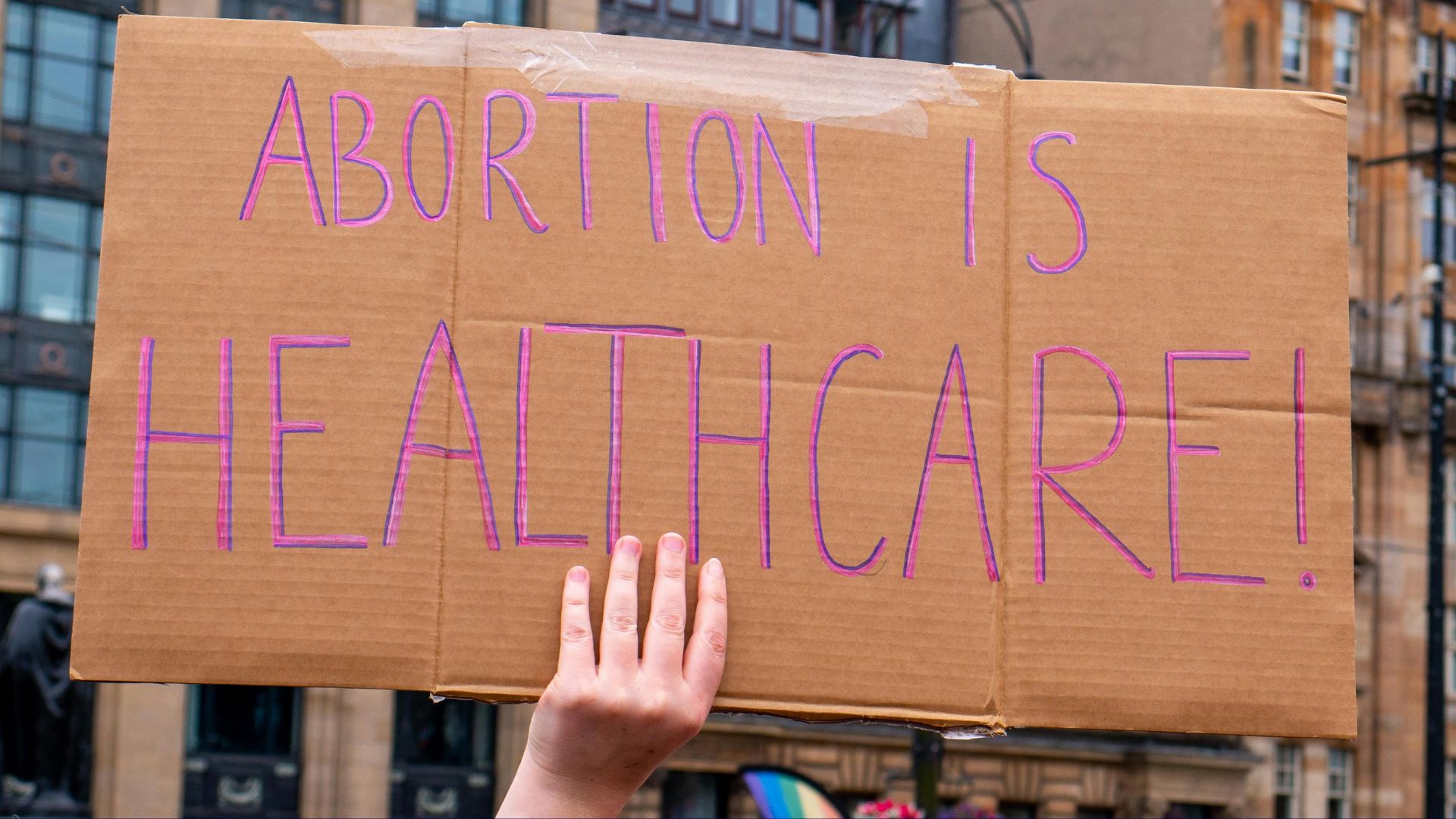
El aborto es atención médica, y no se puede hablar de justicia económica sin hablar del acceso a la atención médica. Cuando a las personas se les niega la capacidad de tomar decisiones sobre sus propios cuerpos y su futuro, también se les niega su libertad económica. No podemos permitir que el Congreso cambie esa libertad por una ganancia inesperada para unos pocos ricos.