
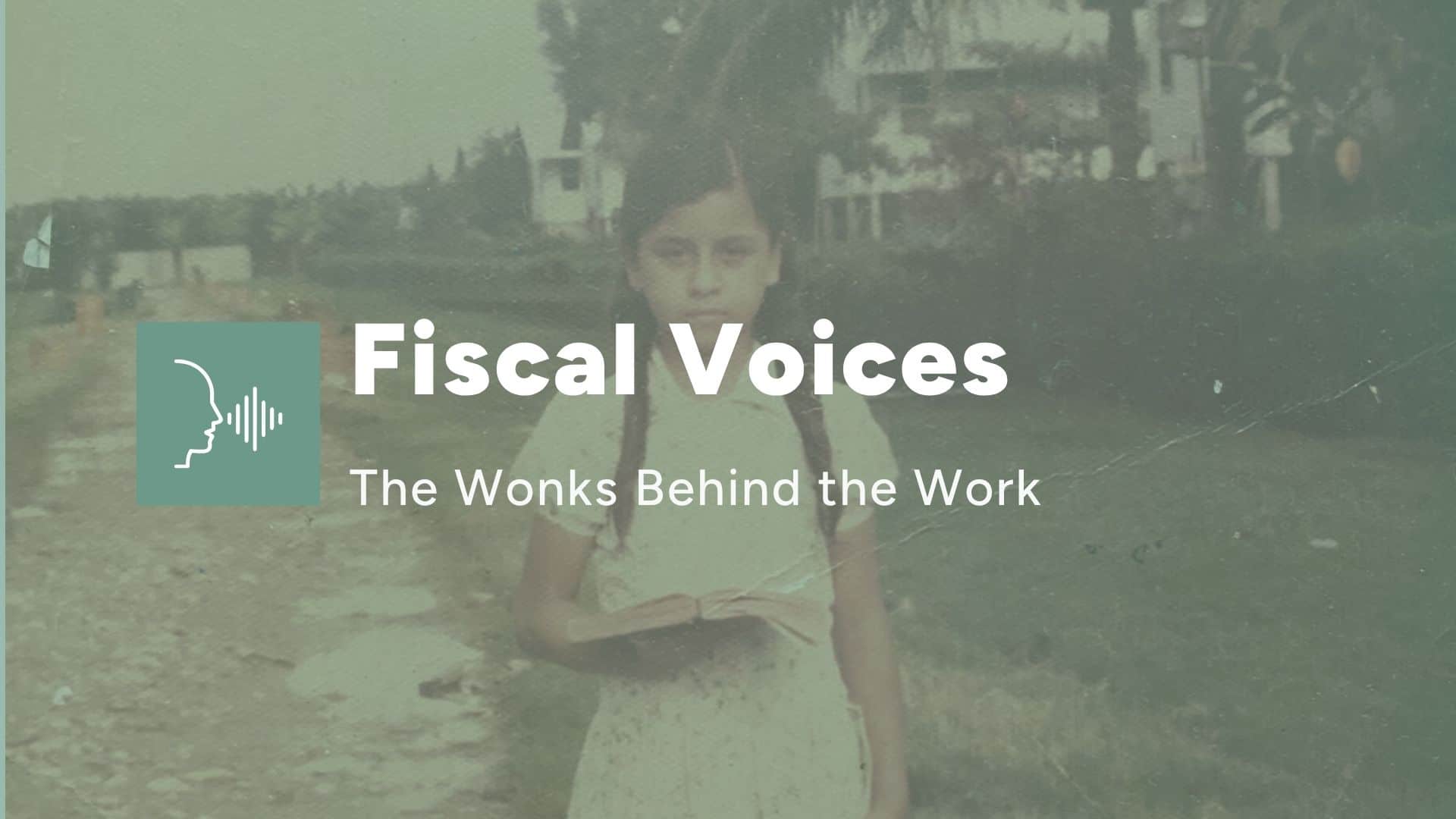
The People Who Made Us
This Hispanic Heritage Month, three CFI team members share personal reflections on the families, communities and cultures that shaped their lives and helped build Colorado.
 EN
EN

In honor of Hispanic Heritage Month (Mes de la Herencia Hispana), the Colorado Fiscal Institute is recognizing the profound and lasting economic contributions Hispanic people have made—and continue to make—to Colorado’s economy. Hispanic Coloradans have long helped build our state’s industries, fuel small business growth, and strengthen local communities through generations of labor, entrepreneurship, and innovation.
Hispanic Heritage Month runs Sept. 15 through Oct. 15. It was first established as Hispanic Heritage Week in 1968 by President Lyndon B. Johnson and expanded to a month in 1988 by President Ronald Reagan. The month celebrates the culture, history and economic contributions of Hispanic and Latino Americans.
When we say “Hispanic,” we mean people with cultural or ancestral ties to Spanish-speaking countries, including Mexico, much of Central and South America, and parts of the Caribbean. According to the 2020 U.S. Census, 22.2% of Colorado’s population—about 1.29 million people—identify as Hispanic or Latino, with roughly a quarter born outside the U.S., coming from South America, Central America, Mexico, and the Caribbean. Hispanic immigrants make vital contributions to Colorado’s economy.
These contributions are especially visible in Hispanic-owned and Hispanic immigrant-owned businesses. Hispanic-owned businesses include all enterprises led by Hispanic Coloradans, whether U.S.-born or immigrants. Hispanic immigrant-owned businesses, meanwhile, are specifically those founded by Hispanic entrepreneurs who came to the U.S. These immigrant business owners often face additional hurdles, like navigating startup requirements or accessing capital, and they tend to struggle and close at higher rates than non-minority-owned businesses.
Under the current presidential administration, some federal policies—such as proposed cuts to Affordable Care Act Premium Tax Credits—are making these challenges even tougher.
Hispanic and immigrant business owners in Colorado face disproportionate challenges due to policies and systemic barriers. The 2020 State of Colorado Disparity Study highlighted uneven access to opportunities across groups, measuring industries such as construction, construction-related professional services, other professional services, goods and other services, and brokerage and investment contracts.
The study found that loan applications were more likely to be denied for Hispanic and other minority business owners than for nonminority male-owned businesses. Loan denials create additional hurdles, including difficulty securing funds, starting or expanding a business, and increased financial stress. Fear of rejection is also a major factor: Hispanic and minority business owners were 29% more likely than nonminorities (16%) to avoid applying for loans due to this fear. Other policy-related challenges include higher interest rates, lower approval rates, and limited access to financing.
Access to startup capital is a particular barrier for small business owners. The study showed that Hispanic, women, and minority entrepreneurs often rely on personal savings or loans from family members because traditional financing is more difficult to obtain. These factors contribute to higher business closure rates and lower overall annual revenue compared with white-owned businesses.
Hispanic and immigrant-owned businesses face additional hurdles tied to immigration status. Undocumented business owners may be restricted from bidding on government contracts or obtaining certain occupational licenses, further limiting opportunities for growth and success. According to the Small Business Majority, these and other barriers create daunting obstacles for Hispanic immigrant entrepreneurs.
The Affordable Care Act’s (ACA) Premium Tax Credits, a vital source of affordable health care for millions of small business owners, are set to expire at the end of the year under changes included in H.R. 1. These credits were initially expanded under the Trump administration’s efforts to modify and, in some cases, scale back ACA provisions, which affected eligibility and subsidy levels for middle-income individuals. Ending the credits would eliminate expanded health insurance subsidies that increased financial assistance for those already eligible and extended coverage to middle-income individuals. An estimated 4.2 million people nationwide could lose access to coverage.
The expiration of the credits would also raise monthly premiums for millions of small business owners by about 75%, contributing to a 73% increase in financial stress. Hispanic and Hispanic immigrant-owned businesses in Colorado are already affected by ACA changes, and these cuts would disproportionately strain these businesses further.
It is a critical time for Hispanic and Hispanic immigrant-owned businesses in Colorado. This Hispanic Heritage Month, let’s use the occasion as a reminder that Hispanic Coloradans matter—their contributions stretch far and deep into the state’s history. After all, much of what is now Colorado was once part of Mexico, and generations of Hispanic workers, entrepreneurs, and community leaders have helped build the industries, neighborhoods, and culture we see today.
Support local Hispanic businesses by exploring the Colorado Hispanic Chamber of Commerce Business Directory, and stay informed about policy changes that affect these businesses, including potential cuts to the Affordable Care Act’s premium tax credits.
The Colorado Fiscal Institute is committed to advancing people-centered policies in Colorado—policies that recognize the essential role Hispanic Coloradans play in our economy and communities. This month is the perfect time to celebrate their impact and commit to supporting equitable opportunities for growth, entrepreneurship, and success.