Chris Stiffler, autor de Economics In-Other-Words (Economía en otras palabras).
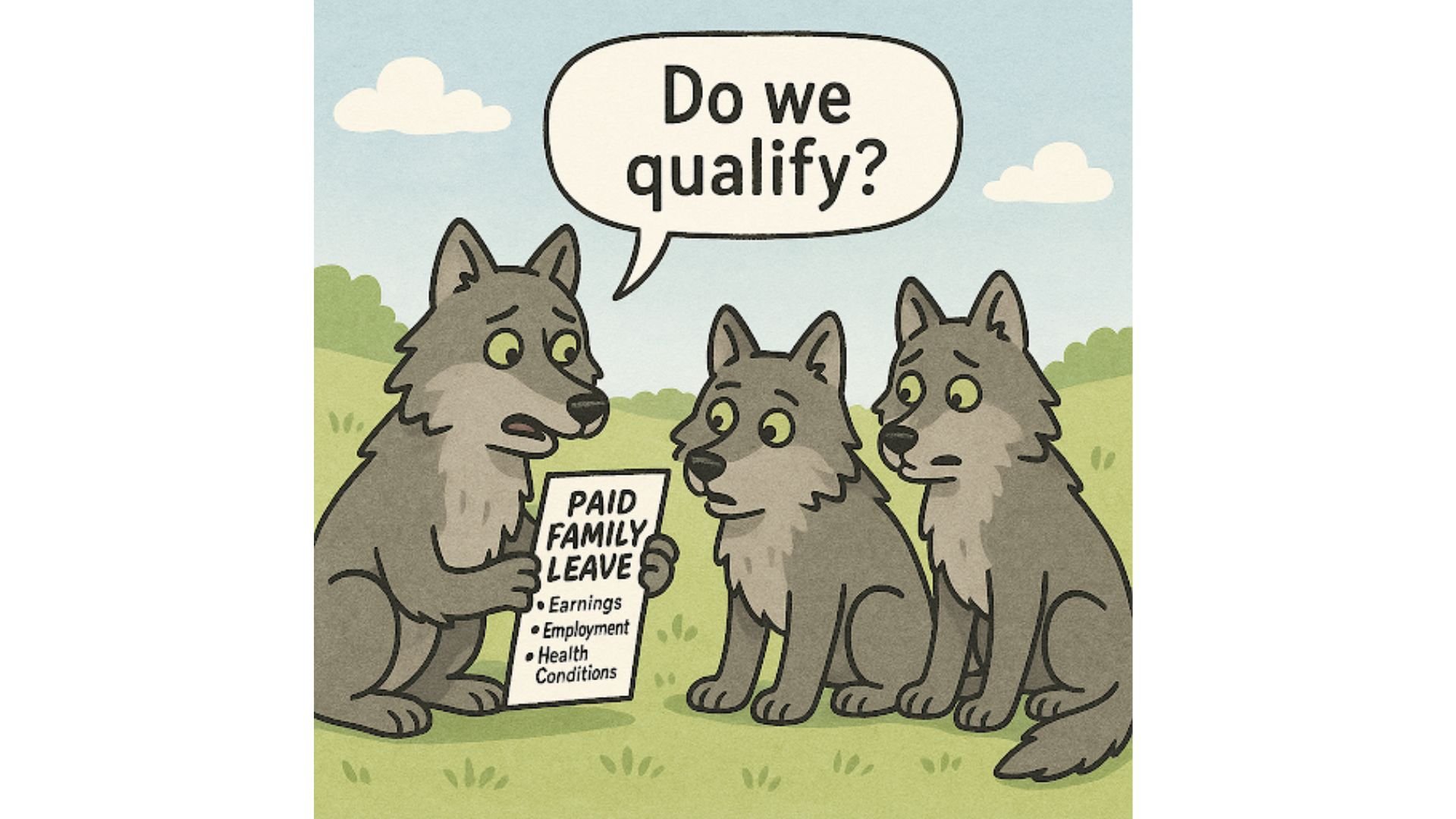
La boleta electoral de Colorado para 2020 estaba repleta: reintroducir los grandes y malvados lobos grises, permitir que los padres que trabajan disfruten de tiempo remunerado para acurrucarse con sus recién nacidos y modernizar el bingo sin fines de lucro, entre otras cuestiones. Esto hizo que la boleta electoral de Colorado para 2020 diera la impresión de que el estado no podía decidir si era progresista o si estaba tramando un programa de juegos lleno de vida silvestre.
En aquel entonces, los votantes de Colorado miraban con los ojos entrecerrados sus boletas electorales enviadas por correo, tratando de decidir si Propuesta 118 (nuestro Permiso familiar retribuido thingamajig) fue un golpe de genio o una nueva y brillante forma de llevar al estado a la bancarrota.
El programa se financiaría con un impuesto sobre la nómina del 0,91 % —repartido a partes iguales entre empleadores y empleados— y proporcionaría hasta 12 semanas de licencia remunerada con protección del empleo a los trabajadores que se enfrenten a una enfermedad grave, den la bienvenida a un nuevo hijo o cuiden de un familiar enfermo.
Los opositores a la medida del permiso familiar remunerado —sí, personas que se oponían a pagar a los nuevos padres para que no hicieran nada más que crear vínculos con sus recién nacidos— lanzaron una dramática campaña de miedo.
¿Cuál era su mensaje? “Demasiada gente se acogerá a esta cómoda baja y, de repente, ¡el estado se declarará en quiebra!”. Era como si se imaginaran a los habitantes de Colorado saltando en masa de sus cubículos de oficina, agitando zapatitos de bebé y formularios médicos, coreando: “¡Nosotros también queremos 12 semanas de salario por nuestros lobos!”. O, como dijo un oponente imaginario: “Lo siguiente será que mi cartero se tome una licencia para pasar tiempo con su masa madre recién nacida”.”
Su estrategia consistía en convertir la Propuesta 118 en la campaña “El permiso familiar remunerado que acabará con Colorado”, con relojes imaginarios que marcaban la cuenta atrás hacia la quiebra en todas las oficinas de tráfico.
Pero antes de poder confirmar o desmentir su visión de catástrofe fiscal, tuvimos que hacer números, lo cual no fue tarea fácil, ya que estimar el costo de un programa totalmente nuevo era como intentar predecir cuántos de esos lobos recién introducidos aparecerían en la barbacoa de tu patio trasero. Tuvimos que determinar:
- Tasa de aceptación: básicamente, cuántas personas utilizarían realmente el beneficio.
- Duración promedio: cuánto duraría la licencia de cada persona.
- Costo de reemplazo salarial: cuánto dinero tendría que repartir el programa cada semana.
He estado muy involucrada en la modelización de las bajas remuneradas desde 2013, por lo que en 2020 era la persona a la que se acudía para explicar estas hipótesis. También consulté con profesores de la Universidad de Denver que publicaron sus proyecciones para el Programa de Licencia Remunerada de Colorado.
Predijeron una tasa de adopción de 5% en el primer año. Esa cifra se basaba en datos reales de programas en California, Nueva Jersey y Rhode Island, combinados con características específicas del mercado laboral propias de Colorado, como las tasas de natalidad y las bajas médicas por ataques de lobos.
Avancemos rápidamente hasta hoy, con el permiso remunerado plenamente implementado, y nos encontramos con un año completo (2024) de lo que los economistas llamarían “extremadamente interesante” y lo que la persona promedio se referiría como cifras “afortunadamente secas”. De los 2 631 607 trabajadores de Colorado que cotizan al FAMLI, un total de 131 758 se acogieron a la baja. Eso es exactamente el 5,007%; sí, he hecho el cálculo con tres decimales. El estudio de la DU dio en el clavo.
Ahora, hablemos del pago. Ajustando nuestro Estimación para 2013 por la inflación nos dio un pago semanal promedio de $890. En 2024, ¿la cifra real? $914. Solo 2.7% de diferencia, lo que, en mi opinión, es una precisión asombrosa. (Lo mencionaré durante mi evaluación anual de desempeño y salario).
Bien, ¿cómo utiliza la gente realmente esta herramienta? Aquí tienes un desglose de los datos. Reclamaciones de 2024:
- 47% de personas solicitaron una licencia médica personal para sí mismas.
- 34% tomó un permiso parental para crear un vínculo con su nuevo hijo.
- 13% cuidaban a un familiar enfermo.
¿Y la duración promedio? 51.7 días.
Así pues, la gente utilizó las bajas remuneradas exactamente como se había previsto. ¿Nuestras previsiones? Sorprendentemente acertadas. ¿El uso del programa? Sensato y predecible. ¿Los beneficios? Bien orientados a la salud, los bebés y el cuidado de personas dependientes. En resumen: el cielo no se ha caído, Colorado no ha quebrado y la DMV no está llevando a cabo una cuenta atrás apocalíptica. Y, que yo sepa, ni una sola baja remunerada por motivos médicos ha sido causada por lobos.