The People Who Made Us
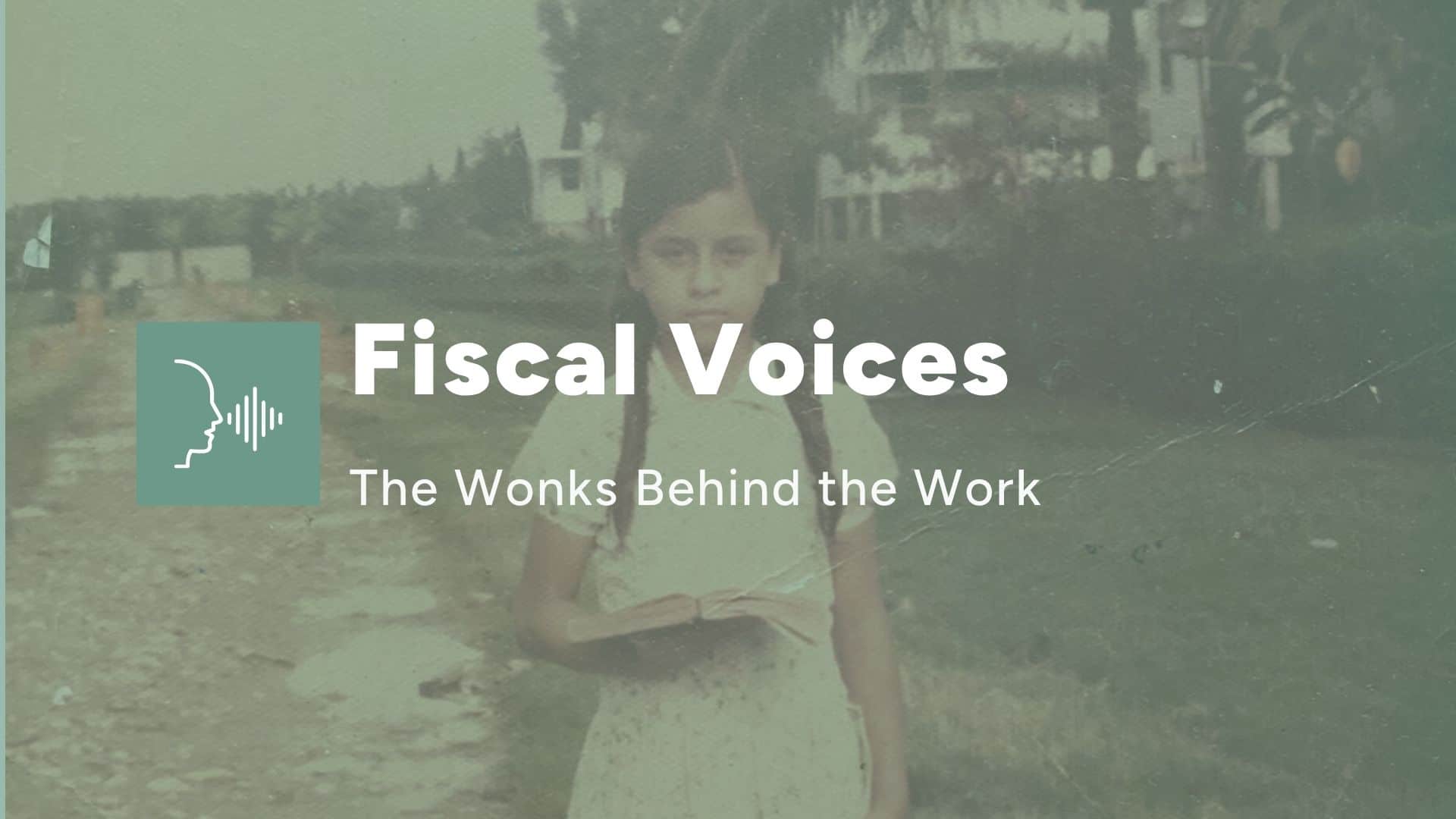
This Hispanic Heritage Month, three CFI team members share personal reflections on the families, communities and cultures that shaped their lives and helped build Colorado.
 EN
EN
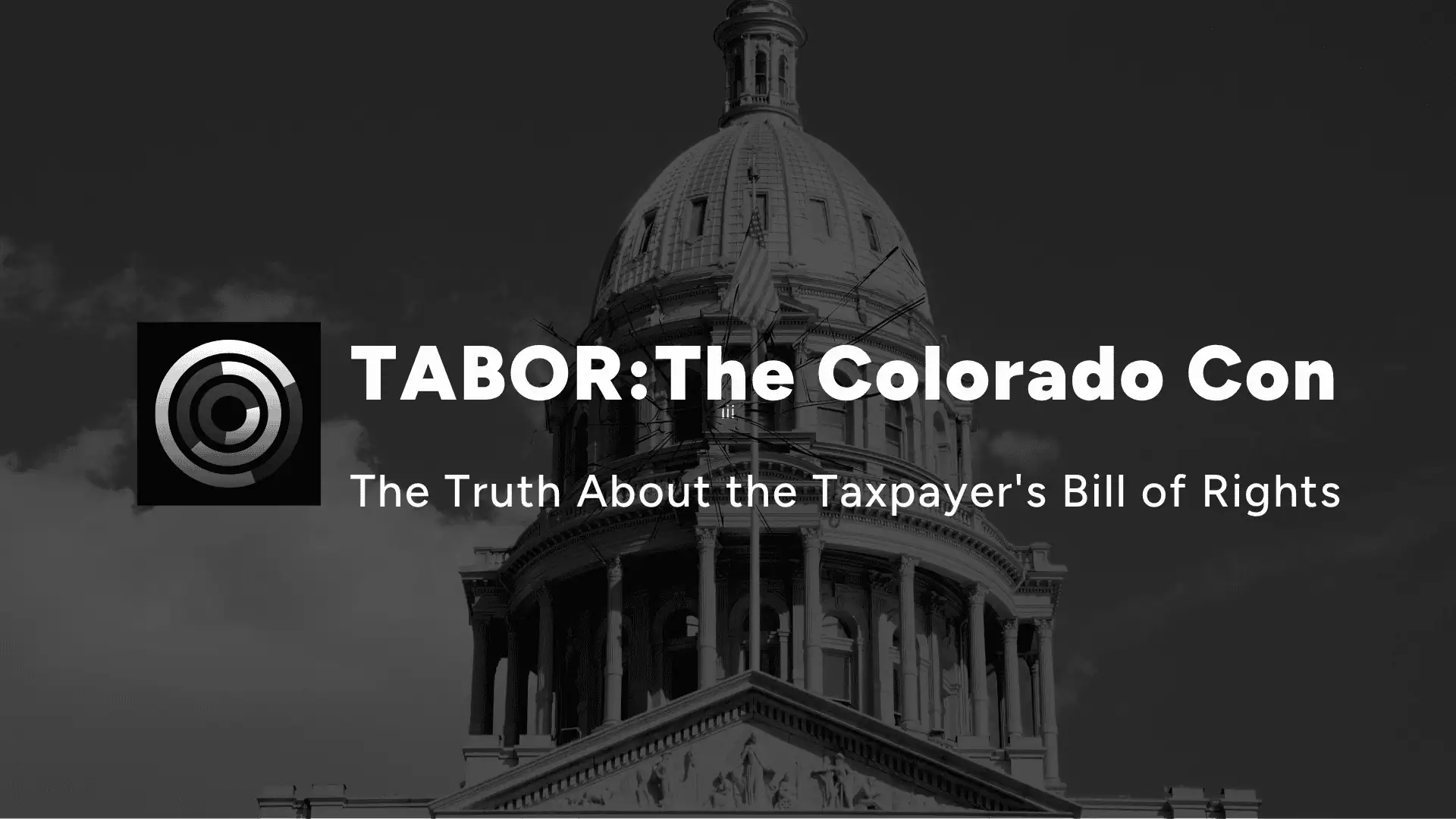
TABOR might promise a government on a diet and fatter refund checks, but Colorado’s wallet feels the pinch. It’s one of the tightest tax laws in the country, quietly deciding what our state can and can’t afford. If this makes you scratch your head or mutter, “Wait, that’s fishy…” you’re in good company.
July 18, 2025
…Colorado has been trying to do more with less?
Colorado’s budget was already limping from last year’s shortfall. Now the federal government is tossing it a backpack full of bricks labeled “Good luck,” courtesy of the One Big Beautiful Bill Act, or OBBBA, which shifts costs for essential programs like Medicaid, SNAP, and K-12 education onto the states, while federal funding is frozen or reduced.
The timing could not be worse for Colorado’s budget. Like “we opened a fondue restaurant during a cheese recall” worse.
Take education. Colorado schools rely on about $1.27 billion in federal funding, money that supports everything from low-income schools through Title I to after-school programs, English learners, and rural technology. But in July, the Trump administration abruptly froze more than $70 million in education aid to Colorado, citing a federal grant “review.” Denver Public Schools alone could lose more than $10 million, affecting summer learning, teacher training, and mental health programs.
The OBBBA also caps federal matching rates for Medicaid and SNAP, imposes new administrative costs, and limits flexibility, all while demand remains high. That means Colorado must now cover more of the bill itself, with less federal support.
Meanwhile, TABOR, Colorado’s constitutional limit on state revenue growth, prevents lawmakers from tapping into the state’s full fiscal capacity. So even as program costs rise, the state is constrained from raising revenue to match.
Put simply, Colorado is being asked to do more with less. And it is not sustainable.
Schools: Cuts to ESL programs, after-school care, and rural teacher training
Health care: Pressure on Medicaid providers and state budgets
Food assistance: SNAP error rate penalties and higher state costs under the OBBBA
Unless Congress reverses course or Colorado voters approve changes to TABOR, the state faces hard choices, cut services, raise taxes, or both. The One Big Beautiful Bill Act might be great for federal budget optics, but for Colorado families, it is starting to look like one big, expensive mess.